
Blog
Notes on radiant heating.
How infrared heating works, what it costs to run, and what it is actually like to live with. Written by the people who design and manufacture the systems.
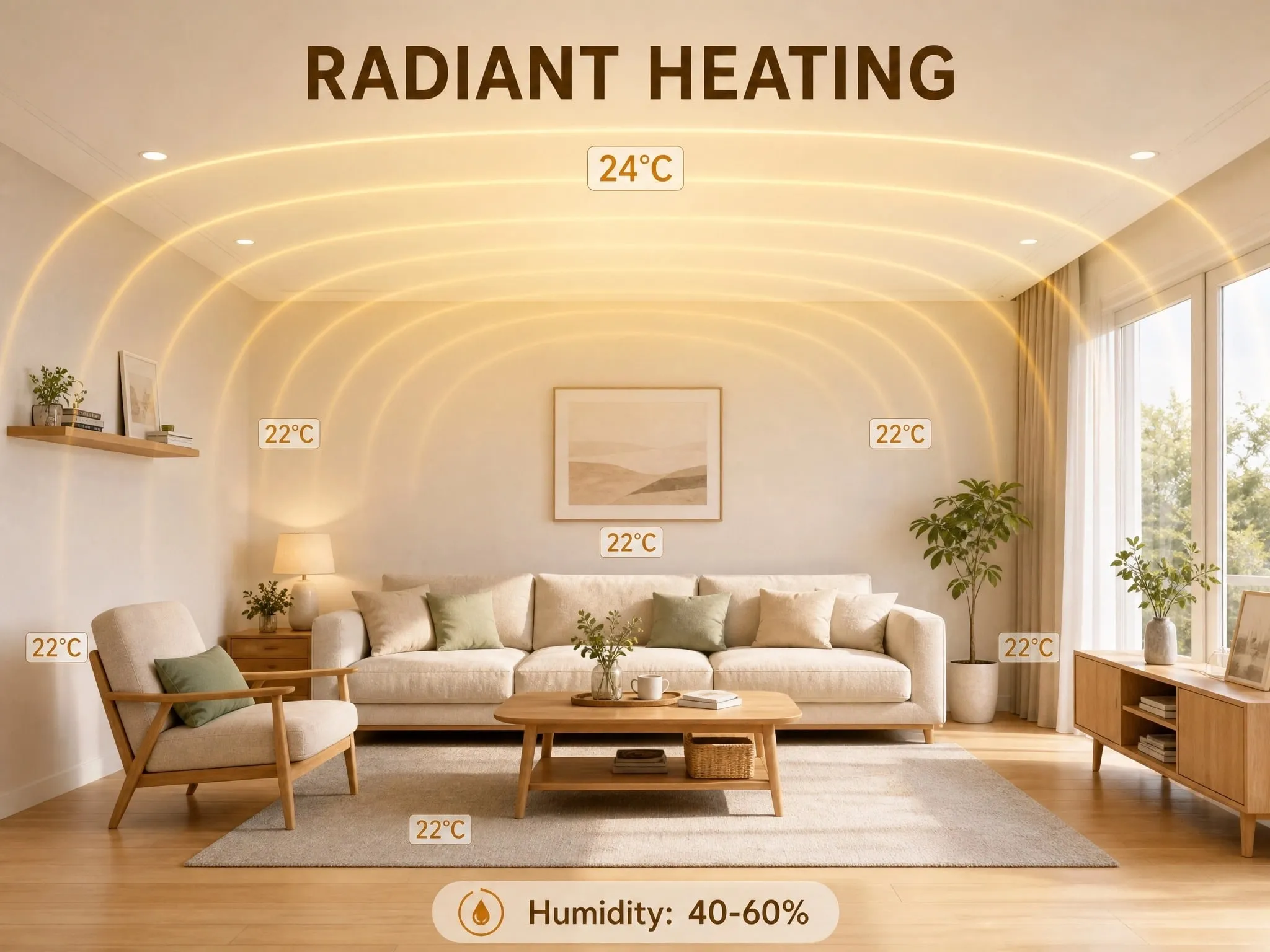
How does infrared heating work?
How infrared heating works: radiant heat transfer warms objects and people directly instead of the air. The physics, the efficiency case, and where it belongs in a home.
Read the article →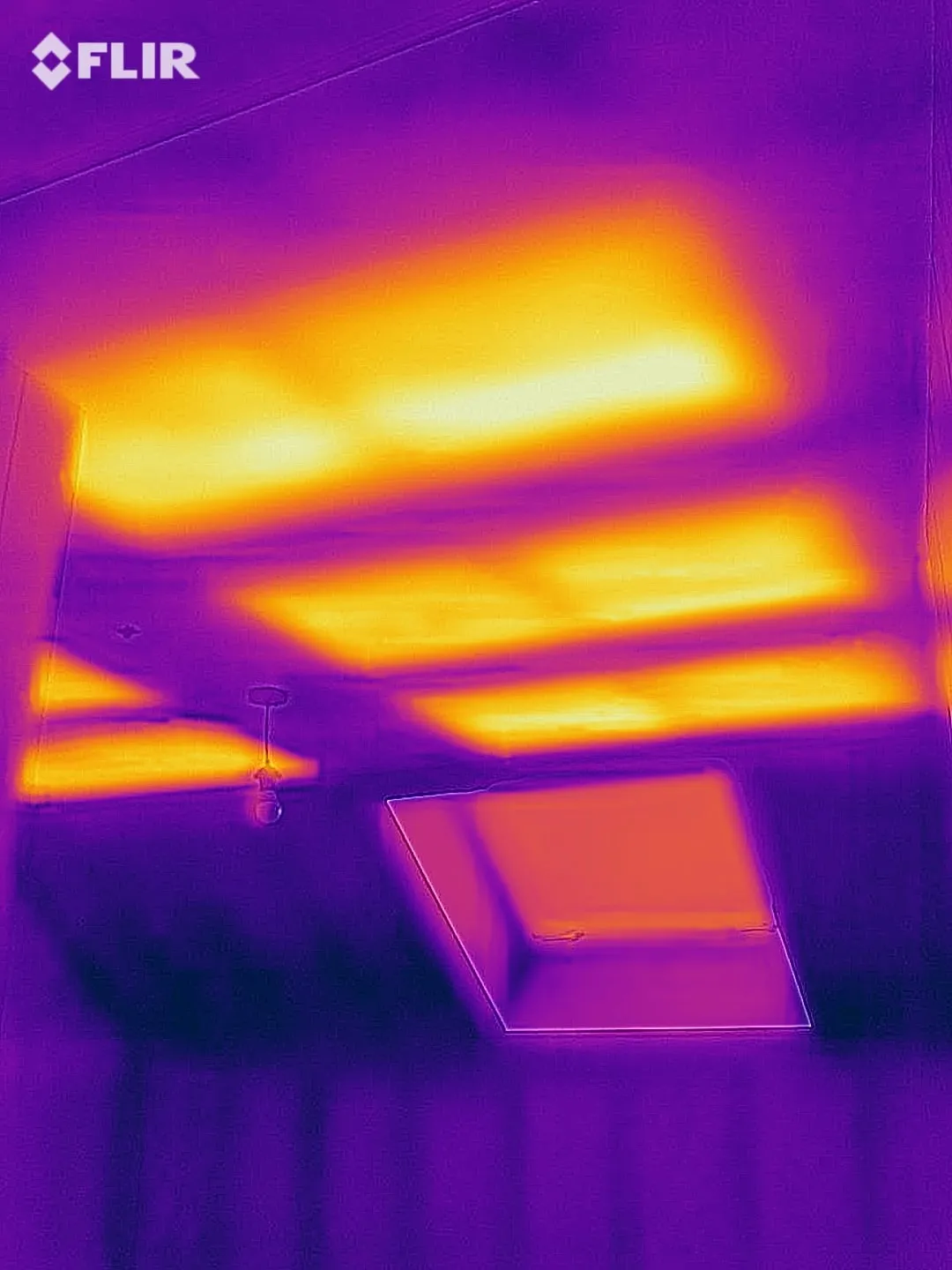
Is infrared heating cost effective? The pros and cons explained
Is infrared heating cost effective? What it costs to install, what it costs to run, how to work out the kilowatt hours for your own building, and the drawbacks worth knowing.
Read the article →
Are infrared heaters safe? The pros and cons of electric infrared heating at home
Are infrared heaters safe? Long-wave infrared warms surfaces rather than penetrating skin, moves no dust and burns nothing. What safety actually rests on, and what to check.
Read the article →
Do non-radiant heaters dry out the air in your home?
Dry lips, itchy skin and static shocks in winter. Heating does not remove moisture from air, but it does lower relative humidity, and some heaters make it far worse than others.
Read the article →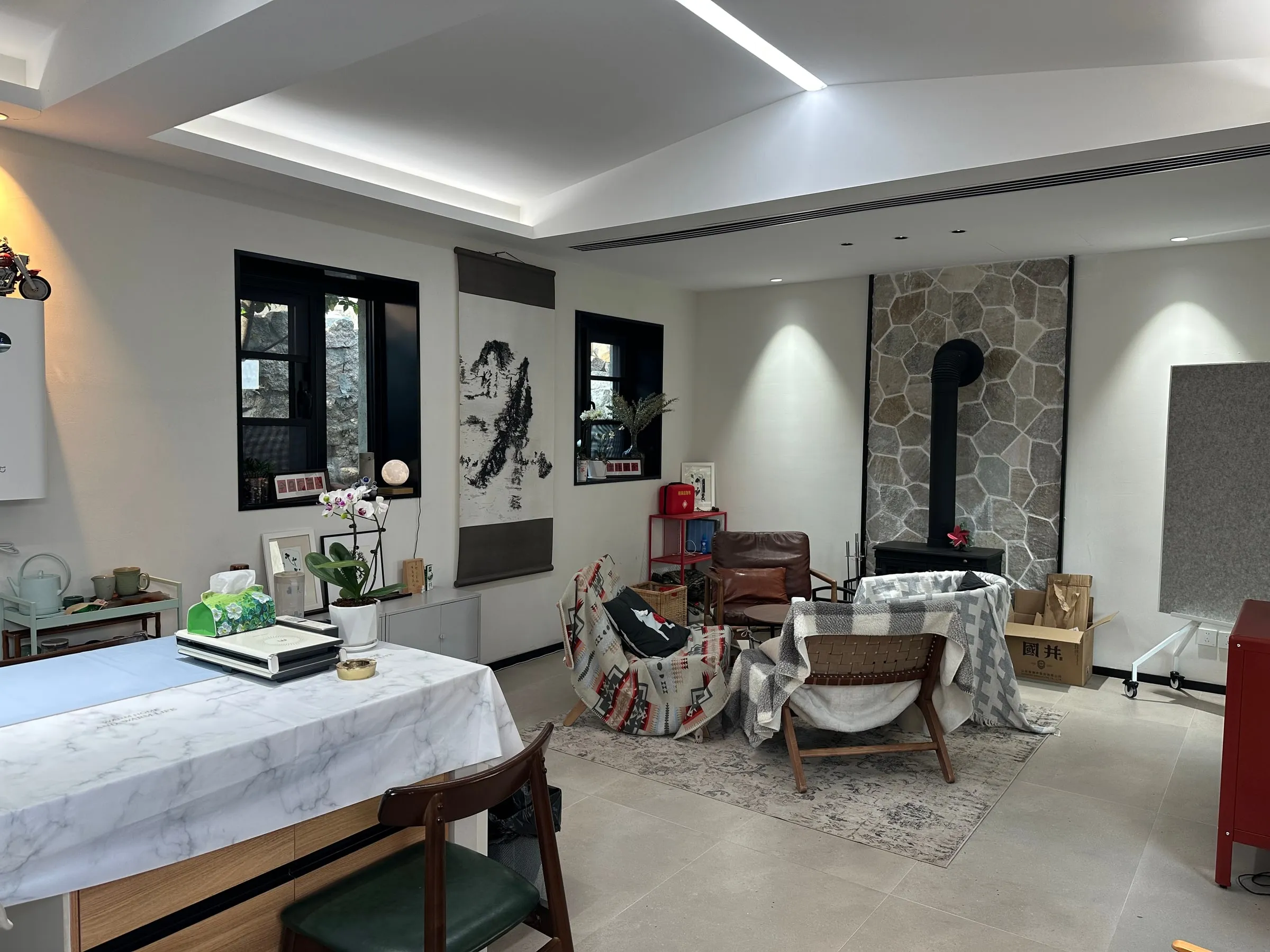
How to keep your house warm without turning up the heat
Practical ways to stay warm this winter without moving the thermostat: sealing draughts, warming surfaces, dressing for it, and heating the room you are in rather than the whole house.
Read the article →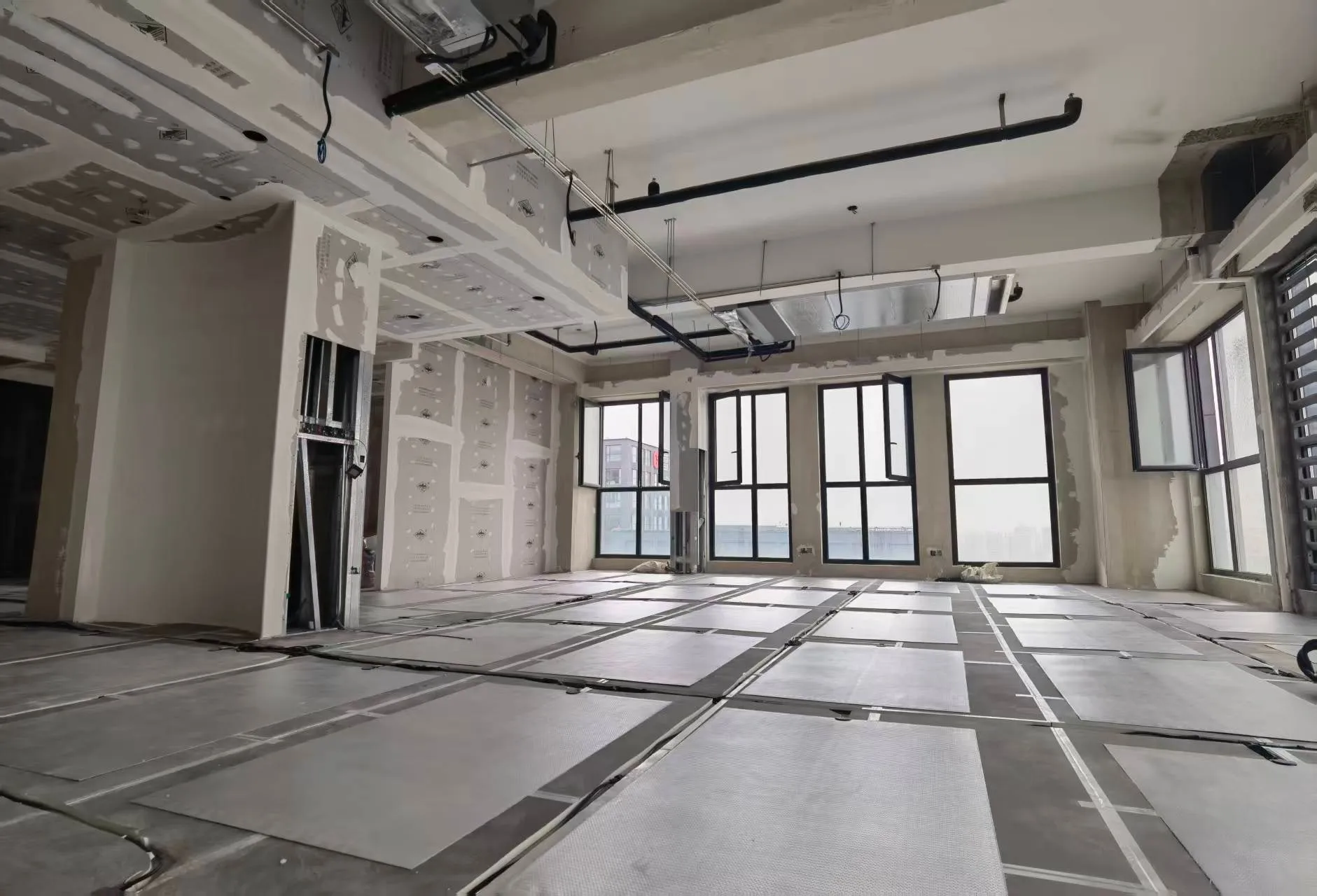
Productivity at different temperatures: heat, cold and employee performance
Office temperature measurably affects error rates, cognitive performance and output. Where the productive band sits, why one setting never suits a whole floor, and what to do instead.
Read the article →
Infrared heating for different room types
A living room, a bedroom and a bathroom each want something different from a heating system. Which surface to heat, which element to use, and the practical constraints in each room.
Read the article →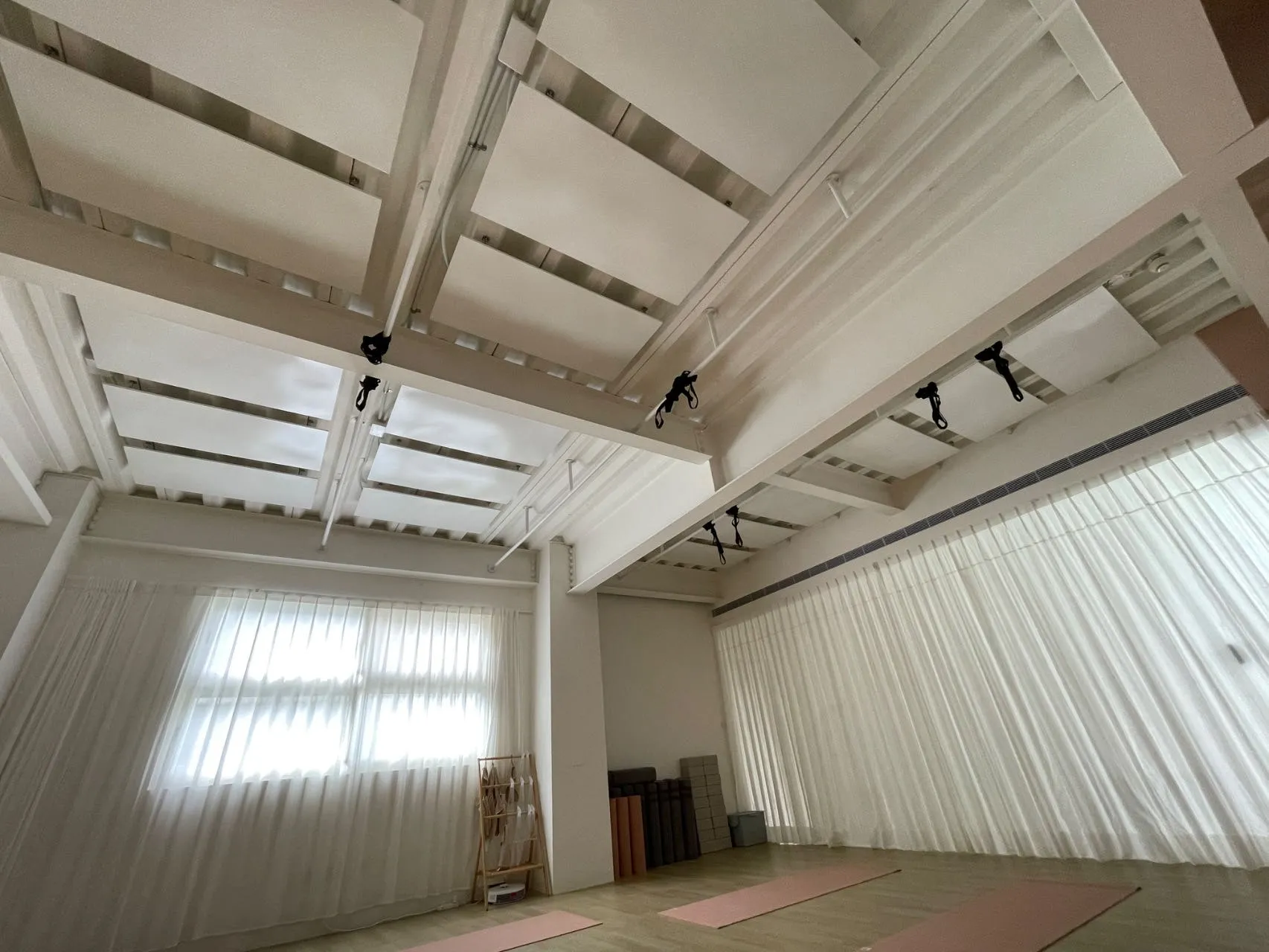
The benefits of infrared heating in schools
Classrooms are occupied in bursts, hold thirty heat-generating bodies, and are refurbished in six-week windows. Why radiant heating suits school buildings, and what it does for learning.
Read the article →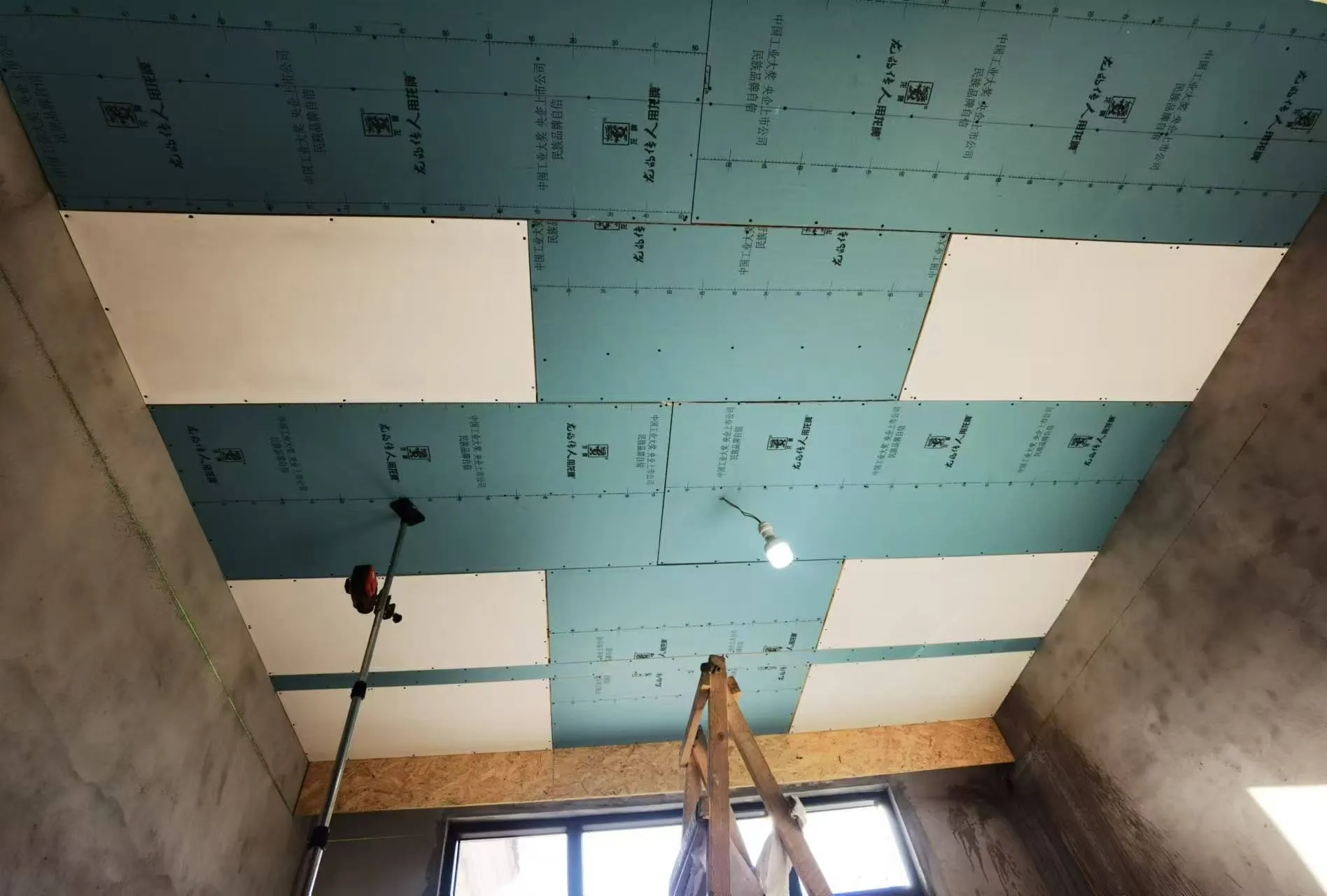
How to calculate coverage for infrared heaters
A step-by-step method for working out how much infrared heating a room needs and how many panels that means: heat load bands, a worked example, and where to place the panels.
Read the article →
Infrared heating in hospitals and healthcare buildings
Healthcare buildings need heat that does not move air, cannot be tampered with, needs no maintenance and can be zoned ward by ward. Where radiant heating fits, and where it does not.
Read the article →Send us a floor plan.We will send back a heating system.
Project data, drawings or CAD files in. A room-by-room heat loss, element layout and priced proposal out. No obligation.