Are infrared heaters safe? The pros and cons of electric infrared heating at home
Are infrared heaters safe? Long-wave infrared warms surfaces rather than penetrating skin, moves no dust and burns nothing. What safety actually rests on, and what to check.
In the quest for warmth during chilly winter nights you may come across the infrared heater, a technology that has steadily gained popularity. But is it safe to use in your own home? Below we look at the science behind these radiant heaters, scrutinise their safety and set out the real effect of bringing them into a house.
Infrared heaters are safe for indoor use when appropriate precautions are taken. They emit a type of radiation quite different from x-rays or germicidal light, and they do not heat the air but rather other materials such as furniture or the body. It remains important to read the manual for specific safety information and to consult other sources when selecting and using an infrared heater.
Understanding infrared heaters
With any heating device, safety should be a primary concern, and the same applies here. As homeowners we want a solution that provides effective warmth and also protects our families. Infrared heaters have gained popularity as an efficient and cost-effective way to warm spaces indoors and out.
But what exactly are infrared heaters?
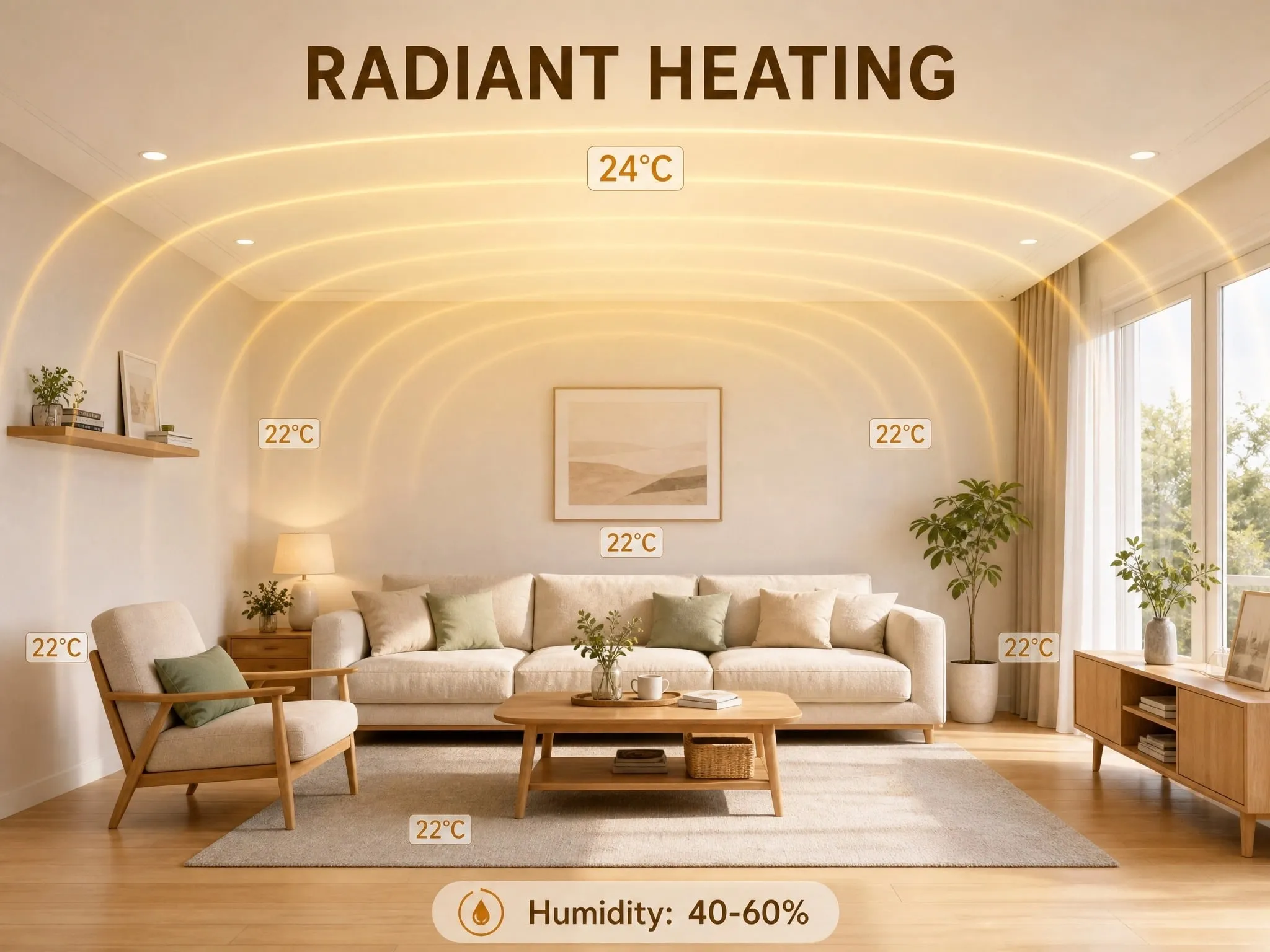
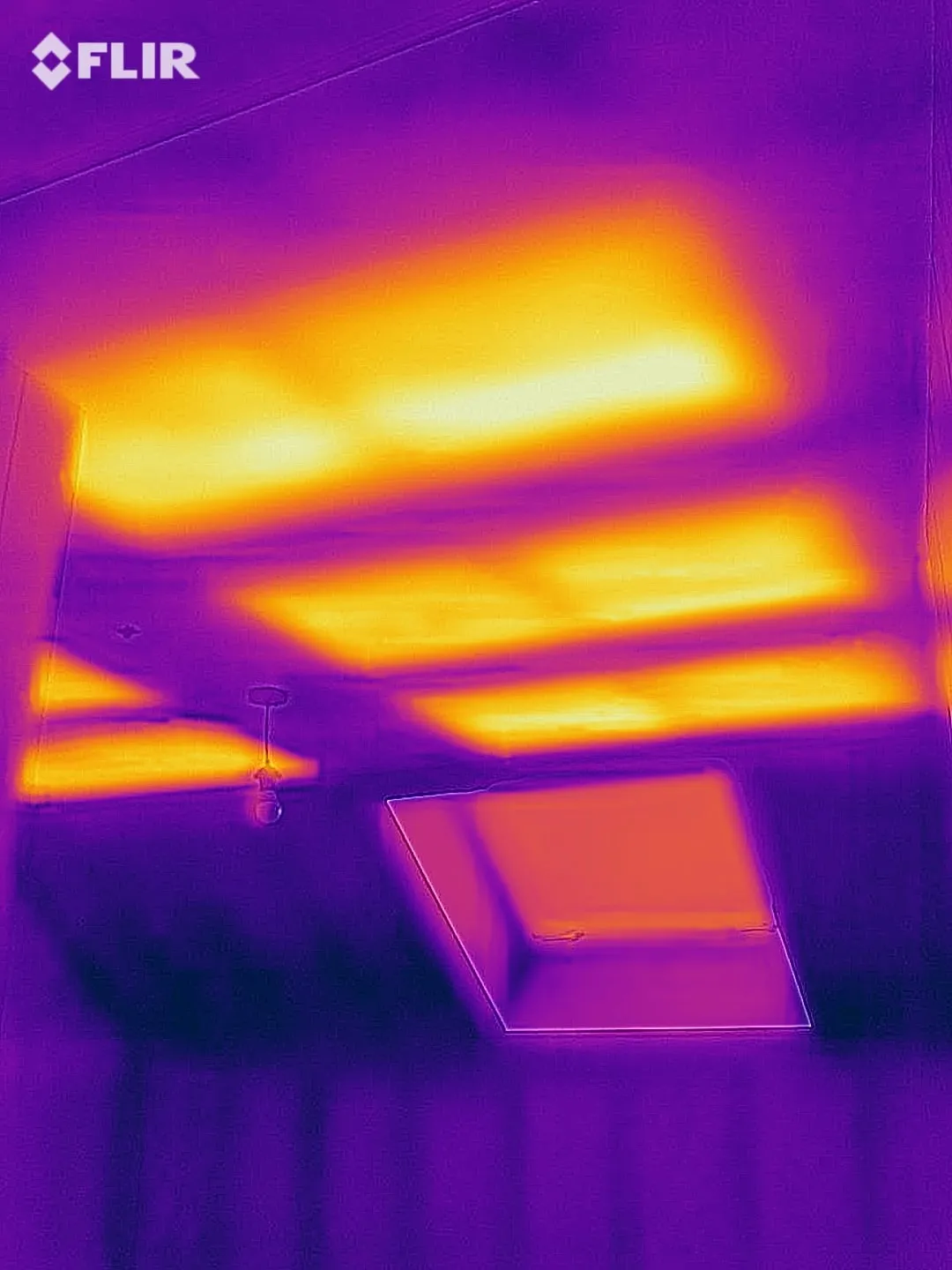
Unlike traditional heaters that rely on convection to heat air, infrared heaters emit radiation that directly heats objects and people in its path. They convert electrical energy into heat, which is then radiated out as infrared waves.
This provides targeted warmth without wasting energy on warming an entire room, which makes them a popular choice for localised heating.
To grasp the concept, think of sitting in the sun on a cold day. Even if the air around you is chilly you feel warm, because your body absorbs infrared radiation from the sun.
What safety actually rests on
- Surface temperature. A full-surface element spreads its output over a large area, so it runs cool. Our floor systems sit under 29 °C at the finished surface and ComfortScrim walls and ceilings run at 40 to 55 °C. There is no glowing filament and no element hot enough to scorch what touches it.
- Construction. The heat comes from carbon fibre distributed across the whole element rather than from a wire on a spacing, so there is no local hot spot to fail at. SafeTech EGS is fully grounded and conforms to UL fire-behaviour requirements.
- Certification. Our elements are tested to IEC 60335-1 and are CE and UKCA marked; SafeTech EGS is additionally UL listed. Certification is what separates an engineered system from a cheap panel heater, and it is the first thing to ask any supplier for.
- No combustion. Nothing is burned, so there is no flue, no carbon monoxide and no combustion products indoors.
Infrared heaters emit only non-harmful radiation
One of the primary misconceptions around infrared heating is the association with harmful radiation. It is crucial to distinguish between dangerous radiation, such as ultraviolet rays and x-rays, and the gentle, non-harmful radiation an infrared heater emits.
Infrared heating operates within the far-infrared spectrum, which consists of long electromagnetic waves that gently warm surfaces and objects without penetrating the skin. These heaters emit no harmful UV, which makes them entirely safe for residential use.
Improper handling of any heater carries risk, which is why safety measures are built in. Temperature control is a critical component: infrared heaters carry advanced sensors and controls engineered to guard against overheating, so the heater shuts off automatically or reduces output when it detects excessive temperature.
No air circulation, no dust dispersal
Traditional systems such as forced-air heaters warm an area by circulating hot air. That stirs up dust and allergens and can harm indoor air quality.
Infrared heaters instead emit radiant heat directly onto objects and surfaces without disturbing the air or dispersing particles. This minimises exposure to airborne contaminants and is particularly valuable for anyone with respiratory sensitivities or allergies.
The importance of overheat protection
Contemporary infrared heaters, such as our PowerBoard and ComfortScrim systems, are designed with advanced safety features that address overheating.
These systems shut off automatically when the heater reaches a temperature threshold, preventing overheating and the hazards that follow. Overheat protection keeps the heater operating within safe limits and gives homeowners peace of mind.
Infrared heating prevents dry air
Traditional heating methods, particularly forced-air fan systems, often have a detrimental effect on indoor air quality. They cause dry air conditions that can be harsh on the eyes and on general health, leading to dry skin and irritated respiratory passages.
Infrared heating is an exception. It does not interfere with humidity levels, so the air keeps its natural moisture. That preserves comfort and supports better health, which makes it an excellent choice for a healthier atmosphere at home.
Carbon monoxide
In the case of infrared heaters there is one significant advantage: they produce no carbon monoxide.
Unlike fuel-based systems such as gas furnaces or fireplaces, infrared heaters run on electricity and burn nothing. That eliminates the risk of carbon monoxide poisoning from incomplete combustion, and makes infrared a safer option for anyone concerned about that hazard.
Advantages of infrared heaters at home
Compared with convection space heaters, which primarily heat air, infrared heaters warm objects and people directly through radiation. You feel warmth as soon as the heater is switched on, with no waiting for the room to come up to temperature.
Because heat is transferred onto objects and bodies rather than into the air, infrared is more efficient in terms of perceived warmth. You reach the same comfort at a lower air temperature than a convection heater needs, which saves energy and reduces heating costs over time.
Infrared heaters also provide localised heating. Unlike central heating, which warms an entire house, they can warm the specific areas where you spend the most time, whether that is a desk, a sofa or a reading corner.
So, are infrared panel heaters safe?
Infrared heating offers a safe and sensible solution for homes: non-harmful radiation, minimal air circulation, advanced safety features and natural humidity retention. Choosing it means a comfortable and secure heating experience for your family.
As the technology continues to evolve, infrared heaters are becoming more efficient and more environmentally friendly still. With their safety features and health-conscious design they are a reliable choice for a cosy and secure home. If you would like to know more about how infrared heating could work in your home or your next project, get in touch with one of our specialists.