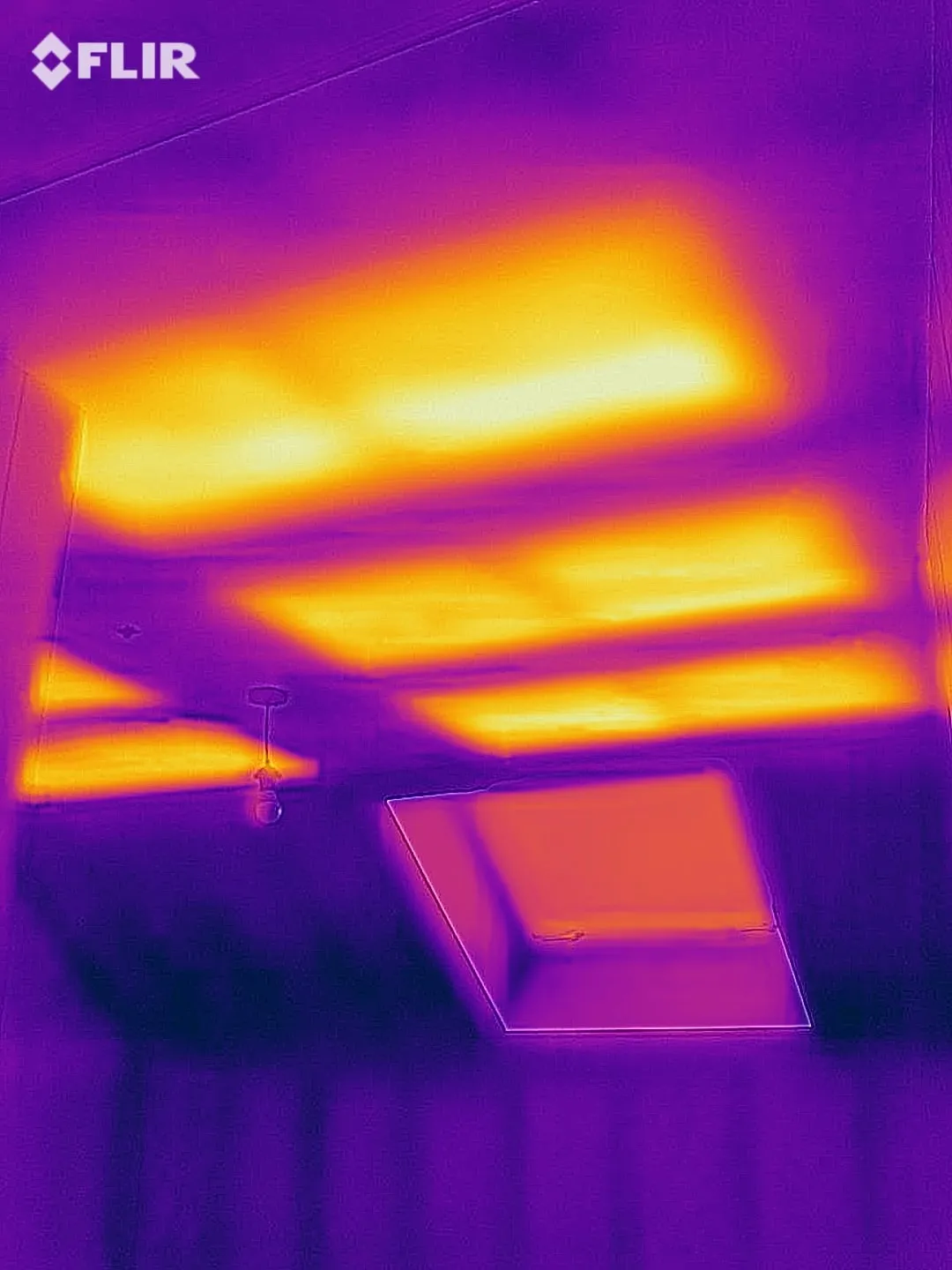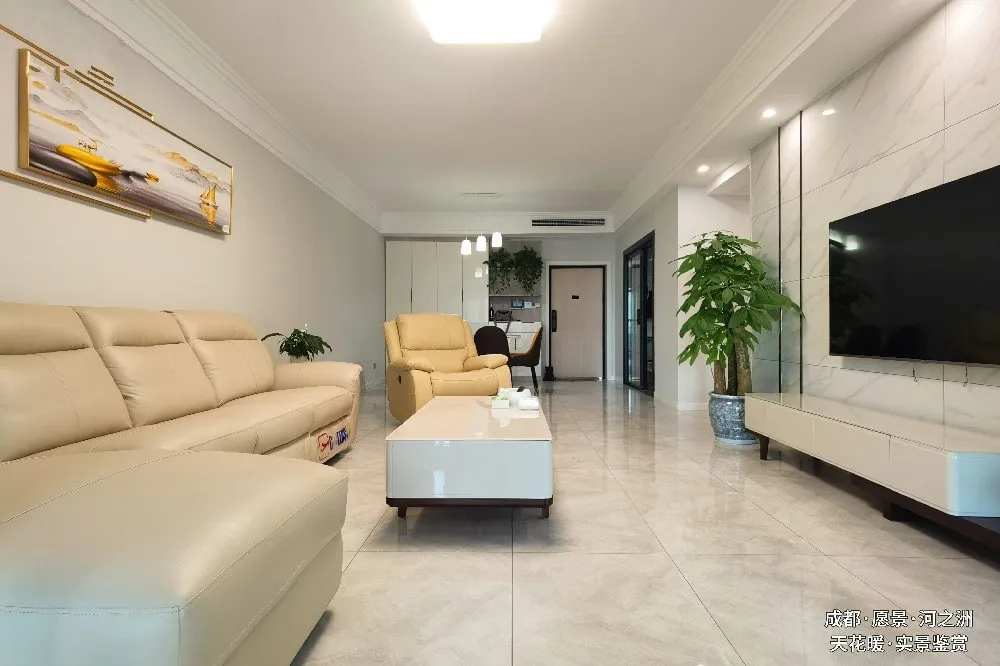
How does infrared heating work?
How infrared heating works: radiant heat transfer warms objects and people directly instead of the air. The physics, the efficiency case, and where it belongs in a home.
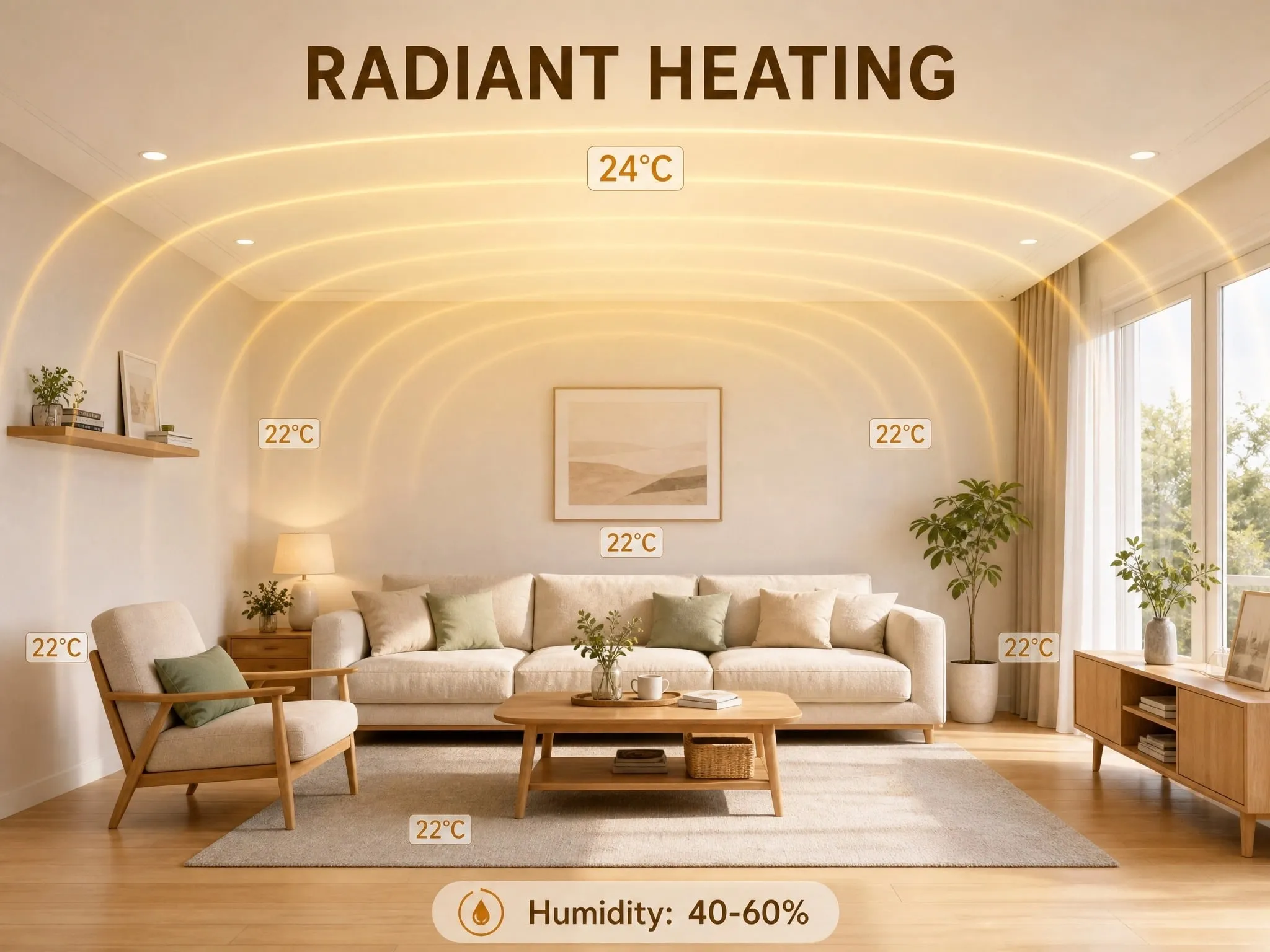
In the ever-evolving landscape of home heating solutions, technology has continually advanced to offer more efficient, comfortable and energy-conscious options. Among these innovations, infrared heating stands out as a revolutionary method, harnessing the power of electromagnetic radiation to deliver warmth in an unparalleled and efficient way.
Infrared heaters operate by directly heating objects through radiant heat transfer. This efficient method ensures a comfortable warmth without the need for air circulation. These heaters offer energy-efficient and customised heating solutions for both residential and commercial environments. Because the heat arrives as radiation rather than as warm air, most occupants find the same comfort at an air temperature two to three degrees lower than a convection system needs. European energy agencies put the heating saving at roughly 6% per degree, so that is in the order of 12 to 18% less energy for the same felt warmth.
What is infrared heating?
At its core, infrared heating operates on the principle of infrared radiation powered by electricity. This type of electromagnetic radiation falls within the electromagnetic spectrum, lying just beyond the visible light spectrum.
Unlike traditional heating methods that rely on convective or conductive heat transfer, infrared heating directly emits electromagnetic waves that transfer energy in the form of heat when absorbed by objects or surfaces. In other words, infrared is a form of radiant heating. Those objects and surfaces then radiate heat in turn, leading to an even warmer sensation from your surroundings.
So how do infrared heaters work?
Infrared heaters emit electromagnetic radiation in the form of infrared light, part of the electromagnetic spectrum with wavelengths longer than visible light but shorter than microwaves. This radiation is absorbed by objects and surfaces in its path, heating them directly.
- The heating element. The heart of an infrared heater is the heating element, which can be made of quartz, ceramic or metal coils, or in our case carbon fibres. The element is electrically powered and designed to resist the flow of electricity, which generates heat.
- The emission. When the element reaches temperature it emits electromagnetic waves in the infrared spectrum. The wavelength depends on the design of the element, and elements that reach a 50 to 60 °C surface temperature emit in the 6 to 15 µm range, the same band the human body radiates in.
- Radiant heat transfer. Unlike convection heaters, which warm the surrounding air and rely on it circulating, radiant heaters heat objects and surfaces directly.
Infrared heating generates sun-like warmth
Infrared heaters, commonly in the form of heating panels, units or films, emit radiation that travels in straight lines until it meets an object or surface. On contact the energy is absorbed and re-radiated as heat, creating a comfortable and consistent warmth.
This is akin to basking in the sun’s warmth, where you feel the heat on your skin even though the air temperature is cooler. A common criticism of radiant systems is that they can lead to temperature asymmetries, but through intelligent project design and placement of the radiating elements this is easily avoided.
Thermal comfort tailored to human physiology
Life as we know it owes much to the sun. It follows that our biological systems would naturally resonate with the type of warmth the sun emits, infrared radiation, which our bodies both absorb and emit.
When we absorb heat from our surroundings we experience a comforting warmth, while the sensation of cold arises when we lose heat radiatively. Our physiological response therefore favours infrared heating over methods that heat the air. Reflecting on our ancestral past, when fire was the primary source of warmth, our shelters absorbed and retained heat from the flames and radiated it back to us long after the fire had died. Does it not make sense to replicate that in our own homes?
Understanding the energy efficiency of infrared heaters
One of the standout advantages of this heat source is its efficiency. Traditional methods such as forced-air systems lose heat both to increased ventilation loss, driven by the high air temperature, and to the simple fact that air is fundamentally an insulative material and needs a great deal of energy to raise its temperature by a single degree.
Infrared heaters instead heat objects and surfaces directly, creating a warm, comfortable environment at lower air temperatures, which means less heat loss and more energy saved.
Can infrared heat be used to heat a home?
The short answer is a resounding yes. Using infrared heaters to their fullest potential depends on several factors, though. Is your home large? How many people live in it? How high are the ceilings?
All of these have to be factored in before deciding the number and size of panels required. In short, like any heating system, some calculations are in order.
The zoned heating method
Infrared heating offers the benefit of zoned heating, letting you target specific rooms and avoid the waste of heating an entire house when you are only using a couple of rooms. That level of control is especially valuable in larger spaces or homes with varying preferences. You might not need as much heat in the kitchen as in the bathroom, and because comfort temperatures vary from person to person, two people can share a room and each experience a temperature that suits them.
Combined with a smart home control system, this is where the practical saving comes from: heat only the rooms in use, only when they are in use, and hold them at a lower air temperature than a convection system would need.
Safety and well-being
Infrared heating stands out not only for its efficiency but also for its health and safety benefits. Unlike traditional heating methods that circulate dust and allergens, infrared heaters do not rely on air movement, which results in cleaner and healthier indoor air.
What about industrial and commercial applications?
The versatility of infrared heating extends to its applications. From homes to commercial buildings and outdoor settings, it is used for living spaces, bedrooms, bathrooms and basements; for offices, warehouses, restaurants and hospitals, where it also helps tackle the spread of airborne infection; and for outdoor seating, patios and driveways.
The options fall into three broad types:
- High-output industrial infrared heaters. These operate at surface temperatures of 150 °C or higher using near infrared, and are designed for large spaces with substantial heating requirements. They deliver higher wattage outputs and are common in warehouses, showrooms and factories.
- Residential-grade medium-capacity heaters. These maintain a surface temperature between 90 °C and 110 °C, suiting residential applications and smaller spaces that need targeted heating.
- Embedded infrared panel units. These maintain a surface temperature of 50 °C to 60 °C using far infrared, and suit medium to large spaces that demand uniform heat distribution and an inconspicuous heat source.
Innovation in action: the PowerBoard ceiling heating system
As demand for energy-efficient and comfortable heating grows, innovation has given rise to systems like PowerBoard. It goes beyond traditional panel heaters by using Lamina Heat’s carbon-fibre full-surface heating films, which give even heat distribution, higher efficiency and seamless integration into architectural spaces.
Infrared heating is a marriage of science and comfort. By harnessing the principles of infrared radiation it provides an efficient, personalised and health-conscious approach to heating. Whether you are upgrading a home’s heating with floor, wall and ceiling or ceiling panel systems, or looking for innovative solutions for a commercial space, the radiant embrace of infrared offers a path to a cosier and more energy-efficient future.
Far infrared is the longest wavelength in the infrared spectrum. It produces lower temperatures and is ideal for heating homes.
Near infrared is the shortest wavelength in the spectrum, used for more intense heating in commercial and industrial environments.
Radiant heat is the transfer of heat energy from one surface to another through electromagnetic waves.