Can infrared heating reduce your energy bill?
Infrared heats surfaces rather than air, responds in minutes and zones room by room. Where the saving genuinely comes from, and how to work out the kilowatt hours for your own building.
Short answer: yes, but not for the reason infrared is usually sold on, and not by the margin it is usually sold with.
Electric heating is not free energy. Every kilowatt hour you put into an element comes out as a kilowatt hour of heat, no more. Anyone promising you fifty or seventy per cent off your bill purely by switching heat source is selling you something.
The saving from infrared is real, and it comes from four specific places.
1. You are comfortable at a lower air temperature
This is the big one, and it is the mechanism behind almost all of the rest.
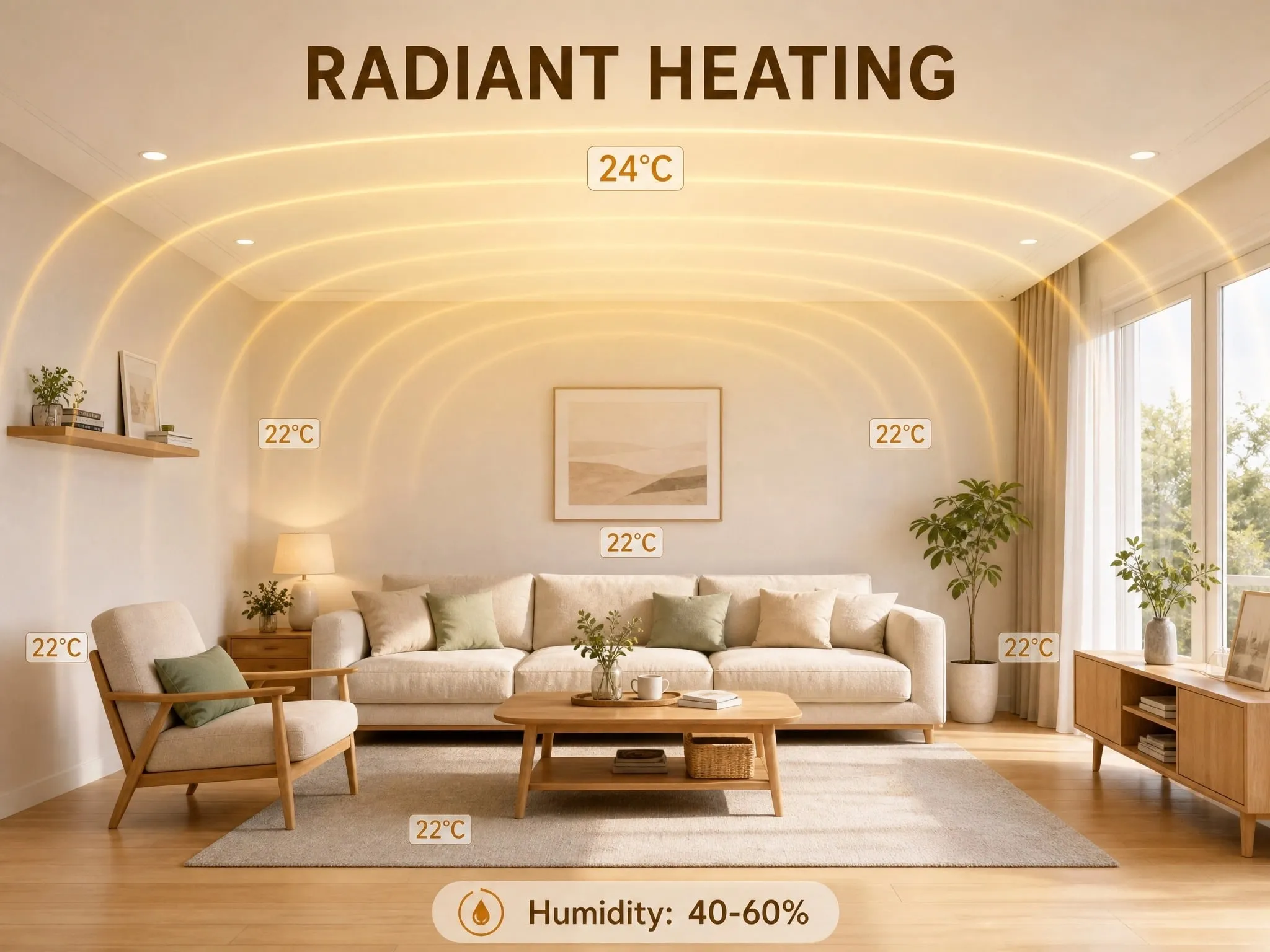
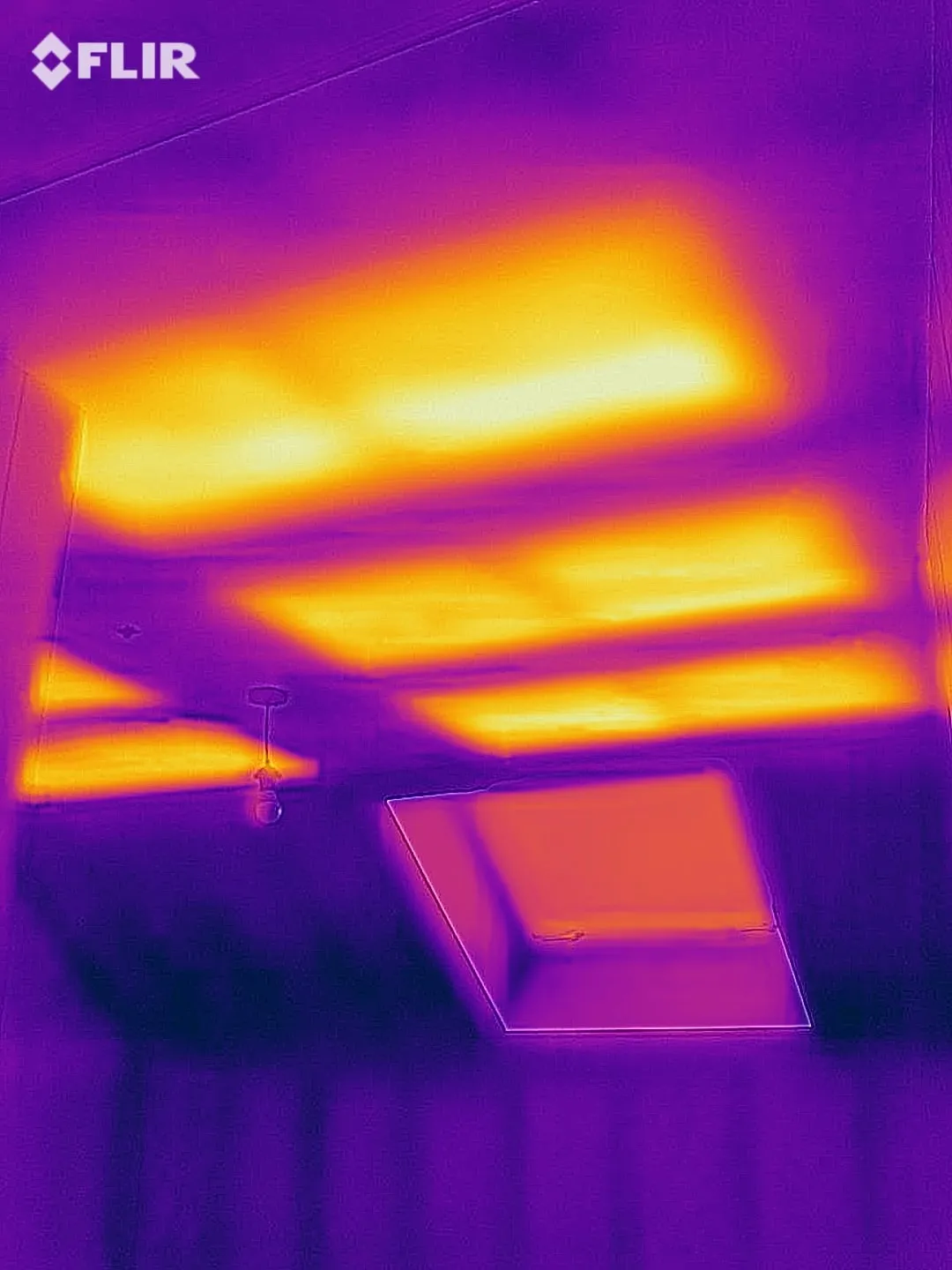
A convection system has to warm the air, and the air then has to warm you. An infrared system warms you and the surfaces around you directly. Because a significant part of how warm you feel depends on the radiant temperature of your surroundings rather than the air temperature, you reach the same sensation of comfort with the thermostat set lower — most people find two to three degrees lower.
European energy agencies put the heating saving at roughly 6% for every degree the thermostat comes down. Two to three degrees is therefore in the order of 12 to 18% less energy, for the same felt warmth. That is a defensible number, and it is the one we use.
2. It responds in minutes, so it does not have to run all day
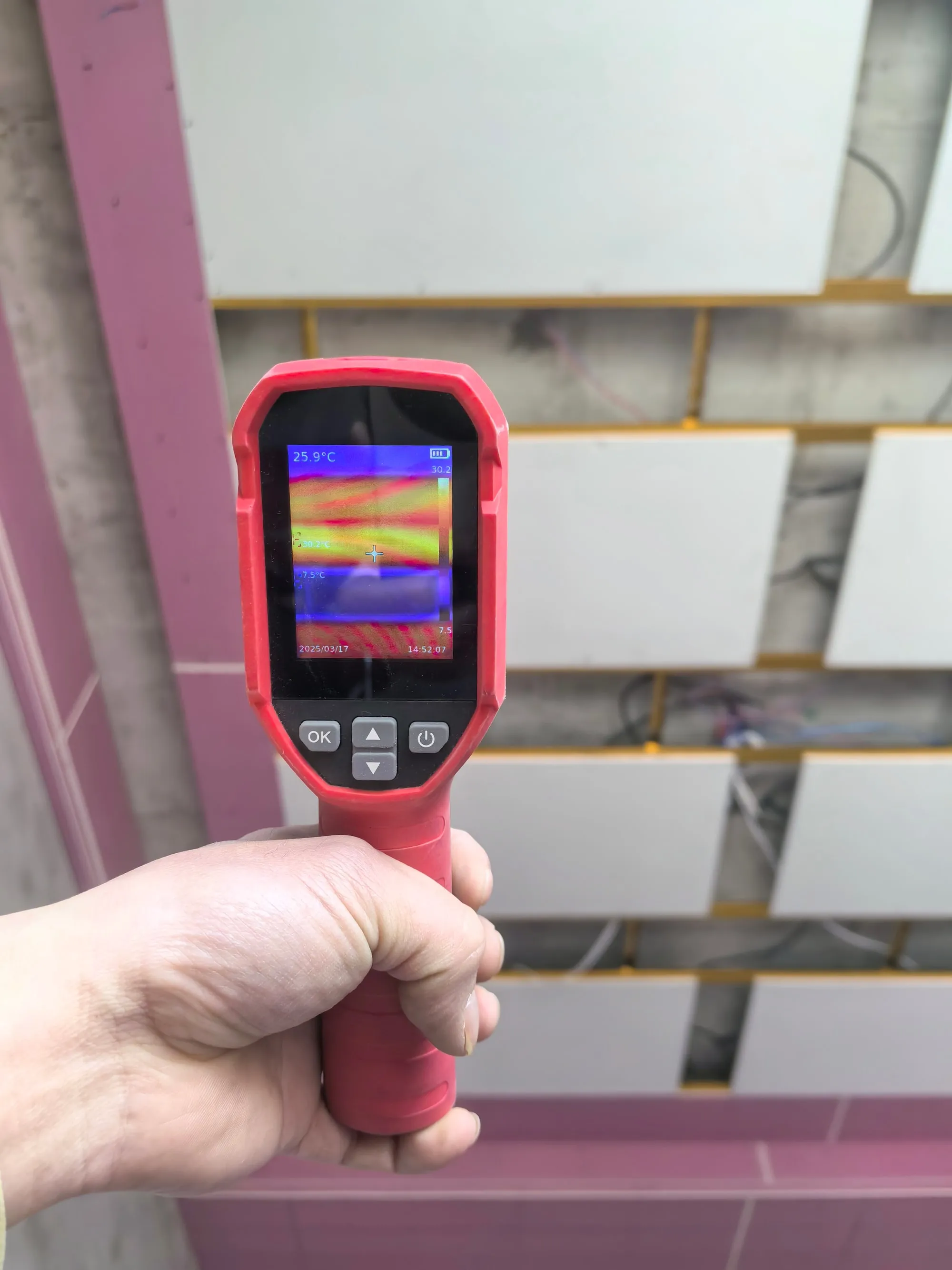
Our elements sit millimetres behind the finished surface, so there is very little mass between the heat and the room. The surface reaches working temperature in minutes and a cold room comes up to a comfortable temperature in around half an hour.
Wet underfloor heating cannot do this. The screed that makes it comfortable also makes it slow, which is why those systems are generally left running continuously — they cannot respond fast enough to be scheduled.
A system that can be scheduled is a system that spends most of the day off.
3. Genuine room-by-room zoning
Fast response makes zoning worth doing. Heat the rooms in use rather than the building as a whole, and the bedrooms are not being conditioned all day for the two hours anyone is in them.
How much this saves depends entirely on how you live in the house, which is why we will not attach a percentage to it. In a large house occupied by two people, it is the largest saving of all four.
4. Nothing is lost getting there
There is no flue, no buffer tank, no duct run and no pipework crossing unheated space. The element converts effectively all of the electricity it draws into heat, and it does so inside the surface of the room it is heating. What is generated is what arrives.
So what will it actually cost you?
That depends on your building, and no article can tell you.
What we can do is give you the consumption. The estimator on each system page asks for your floor area and your building standard — Passivhaus through to an unmodernised solid-wall property, referenced against both German and UK standards — and returns kilowatt hours per season and per day, for round-the-clock temperature control and for roughly ten hours a day.
Apply your own tariff to that figure and you have a genuine answer. Expect about ten per cent either side of it: climate, exposure, glazing and how you actually live all move the result.
One honest caveat
If your building leaks heat, infrared will not rescue it. A poorly insulated house needs a great deal of heat from any source, and the cheapest kilowatt hour is always the one you did not need. Insulate first, then heat well.
Where infrared wins is in delivering that heat comfortably, quickly and only where it is wanted. Send us your plan and we will size it properly for your building.