SafeTech EGS carbon fibre heating film receives UL 2683 certification
Our mains-voltage carbon-fibre heating film is certified to UL 2683, the standard for heating elements and assemblies. What the certification tests, and why it is harder for a full-surface element.
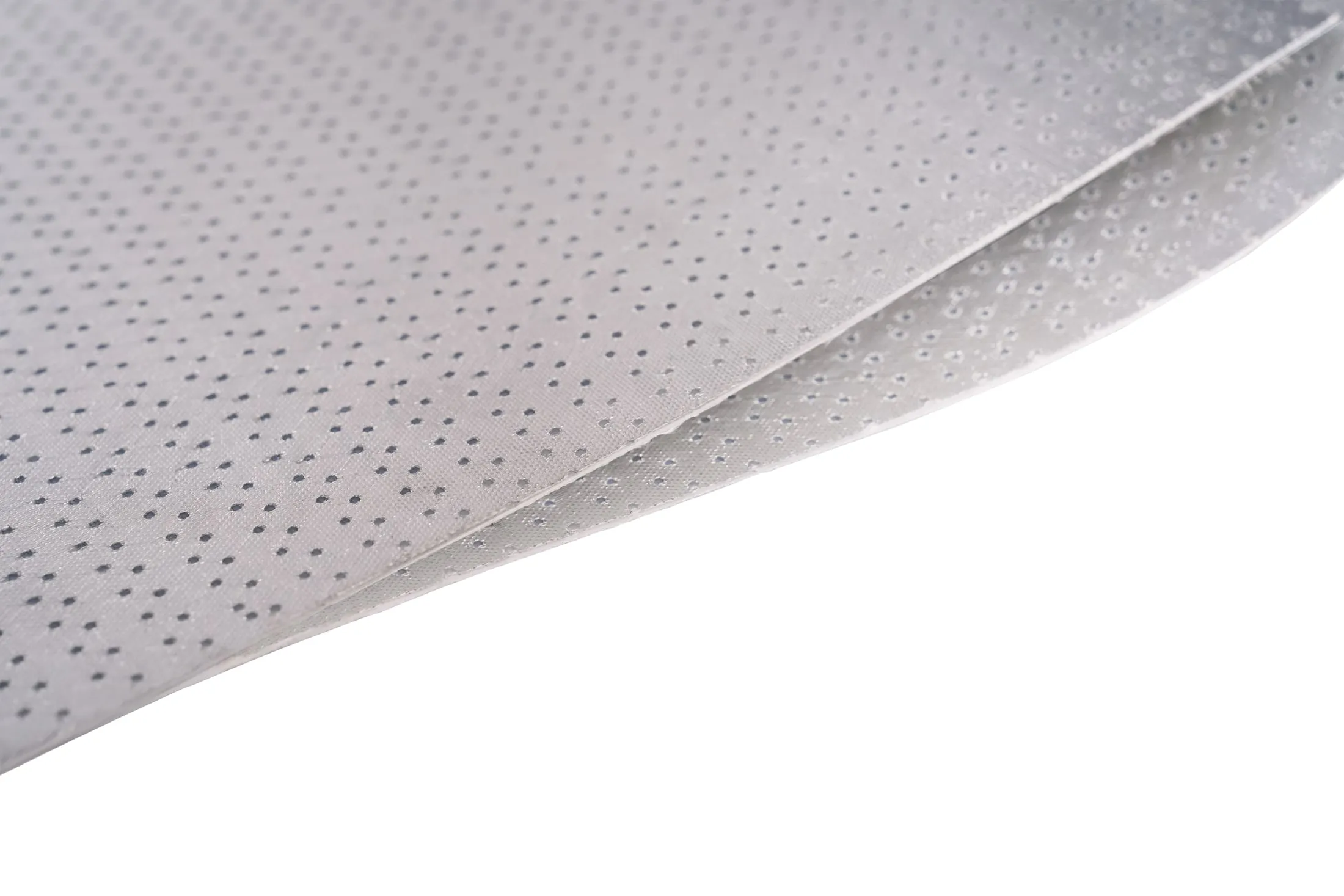
Our carbon-fibre heating film has received UL 2683 certification — the first full-surface heating element of its type to do so.
The product was called ComfortFilm EGS when this certification was granted. It is now SafeTech EGS; the element and the certification are unchanged.
What UL 2683 covers
UL 2683 is the standard for heating elements and assemblies. It is the certification that matters for a product like ours, because it evaluates the element itself under the conditions it will actually meet: continuous operation, abnormal operation, dielectric strength, resistance to moisture, mechanical abuse, and fire behaviour.
That last point is the one specifiers ask about. A heating element permanently buried under a floor finish has to be designed on the assumption that nobody will ever inspect it again. It has to fail safely, or not fail at all.
Why it is harder for a full-surface element
A heating cable concentrates its output into a thin line, and it is tested as a cable. A full-surface film distributes the same output across an entire area, which is what makes it comfortable and what makes it thin enough to disappear into a build-up. It also means the whole area is live, and the standard has to be satisfied across all of it rather than along a single conductor.
Getting a full-surface film through UL 2683 required the element to behave predictably everywhere on its surface, not merely on average. That is a function of how the carbon fibre is distributed, and it is the whole point of the construction.
What SafeTech adds
SafeTech is the protective architecture built into the element: full-surface grounding across the whole area rather than an earth conductor at the edge, and an encapsulation that conforms to UL fire-behaviour requirements.
The grounding is the part worth understanding. An element grounded across its full surface will trip a protective device wherever it is damaged, not only where the damage happens to fall near an earth conductor. For something that will be buried in a floor for the life of the building, that difference is the entire safety case.
What to ask a supplier
Certification claims in this market are frequently vaguer than they sound. Three questions are usually enough:
- Which standard, and which product? Company-level certification is not product certification, and a certificate covering one element in a range does not cover the others.
- What is the certificate number? It should be quotable and verifiable in the certifier’s own directory.
- Does it cover the installed condition? An element certified loose on a bench is not the same as one certified for permanent burial under a floor finish.
Our certificate numbers are published on the floor heating page, and we will send the full documentation on request.