
Notes on radiant heating.
Page 4 of 5. 41 articles on how infrared heating works, what it costs to run, and what it is like to live with.
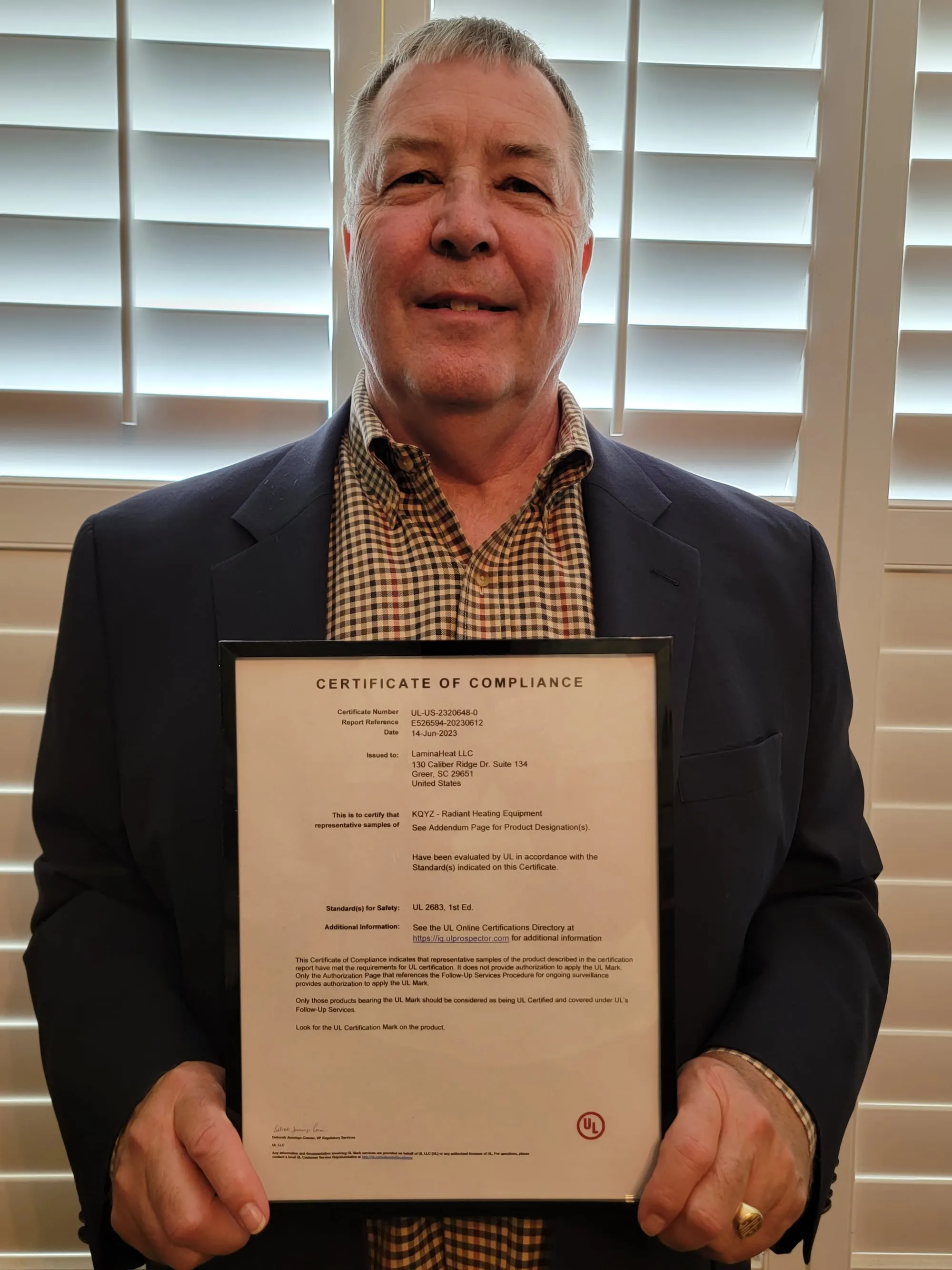
SafeTech EGS carbon fibre heating film receives UL 2683 certification
Our mains-voltage carbon-fibre heating film is certified to UL 2683, the standard for heating elements. What it tests, and why full-surface film is harder.
Read the article →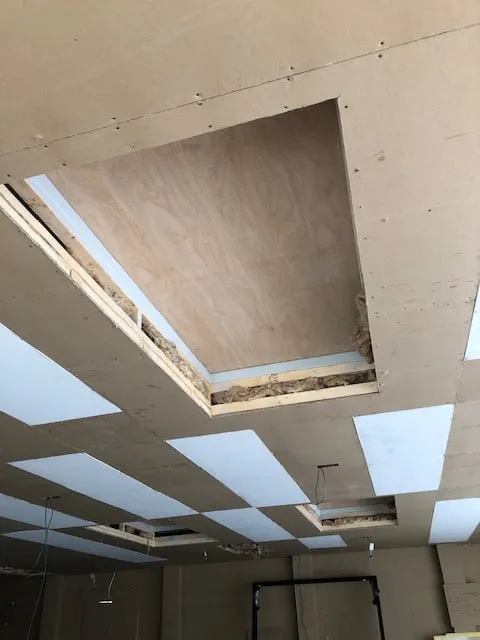
PowerBoard is BEAB IEC 60335-1 certified
PowerBoard ceiling heating holds Intertek BEAB certification to IEC 60335-1, the safety standard for household appliances. What it actually covers.
Read the article →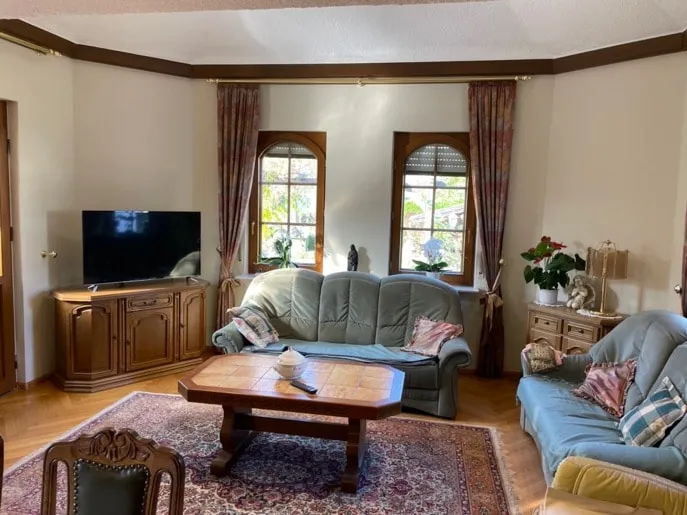
Radiant heating and humidity: the link most people miss
Warm surfaces don’t reach dew point, so they don’t condense. How radiant heating keeps humidity at 40 to 60% and why that matters for mould and comfort.
Read the article →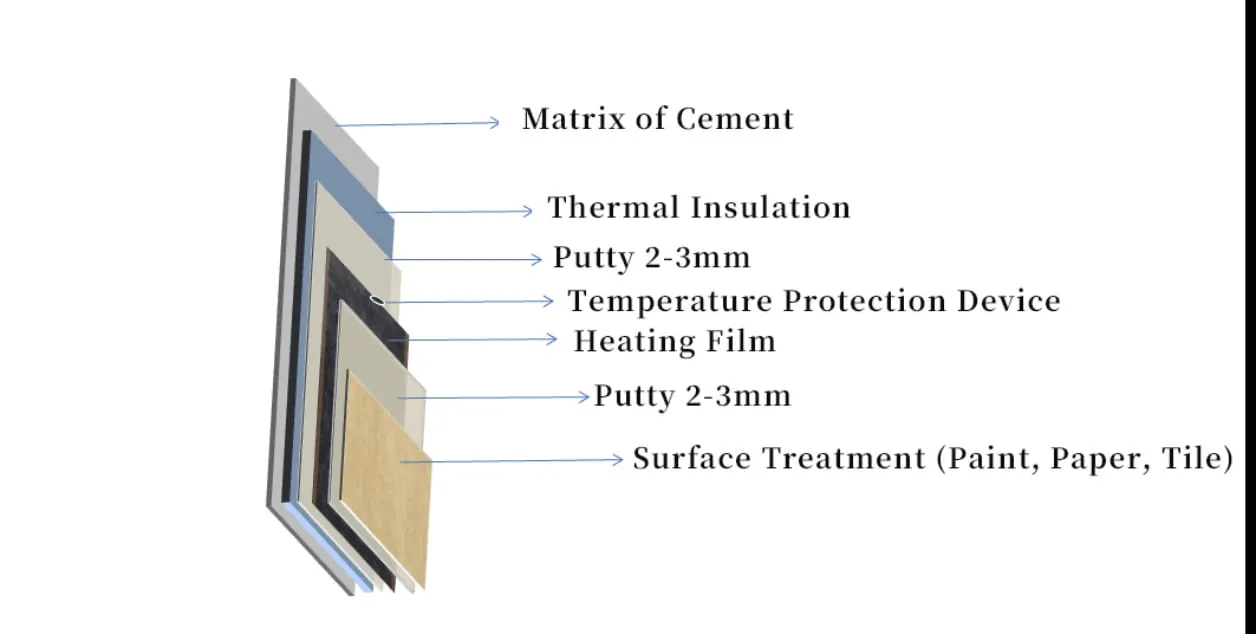
Proximity to surface: the overlooked half of heating efficiency
Boilers and heat pumps make heat far from where it’s used, and every metre of pipe costs energy. Why heat made millimetres from the surface changes the sums.
Read the article →
How clothing plays a role in the thermostat wars
A suit and a summer dress can be six degrees apart in comfort. What clo values are, and what clothing means for setting an office temperature.
Read the article →
Why do some people run hot and others cold?
Metabolism explains most of the office thermostat war. How metabolic rate, activity and body build change the heat a person makes, and why no setting suits all.
Read the article →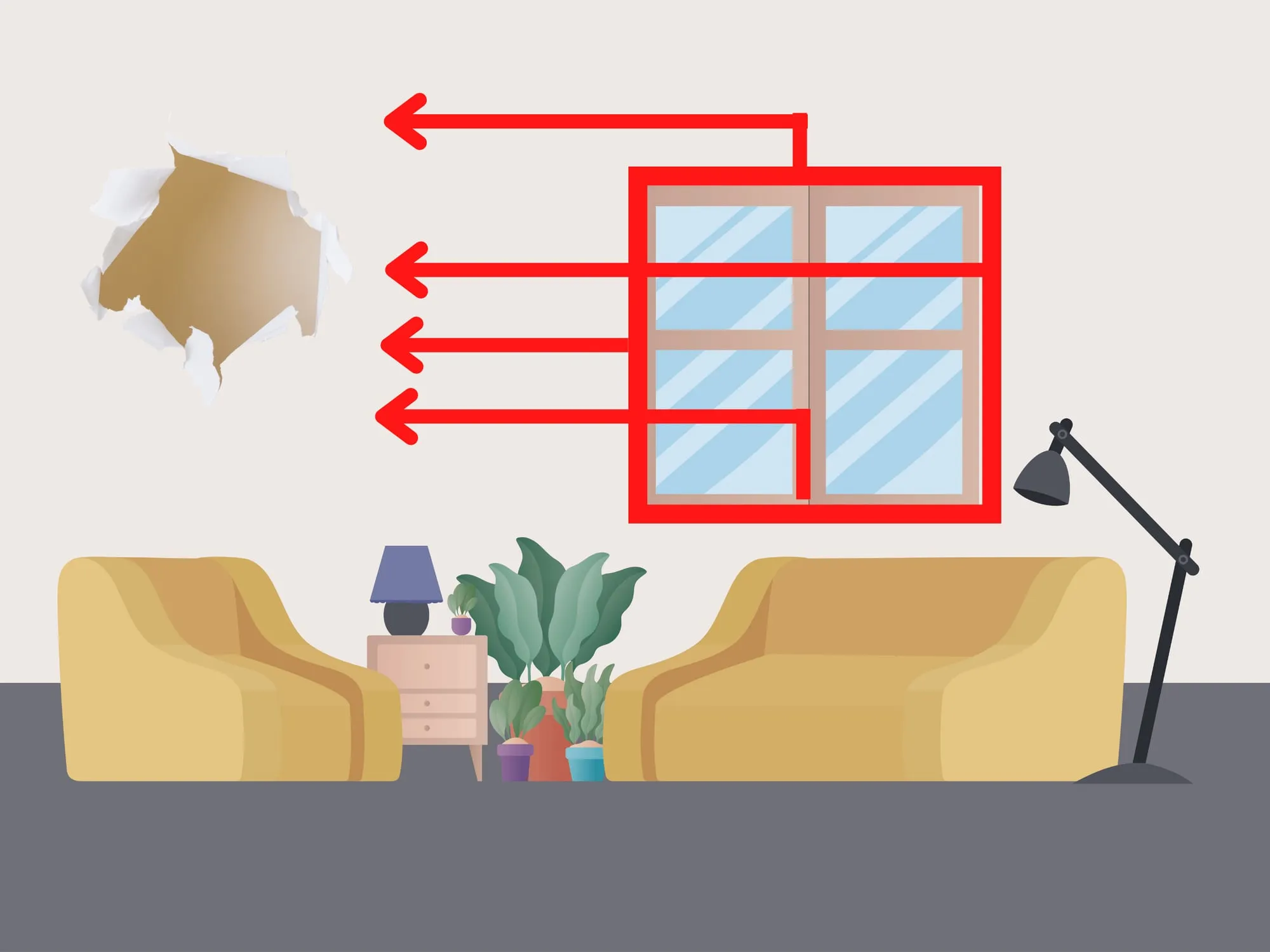
Air speed in the built environment
Too little air movement brings mould and stale air; too much feels cold. The comfortable range, why draughts cost so much energy, and what heating changes.
Read the article →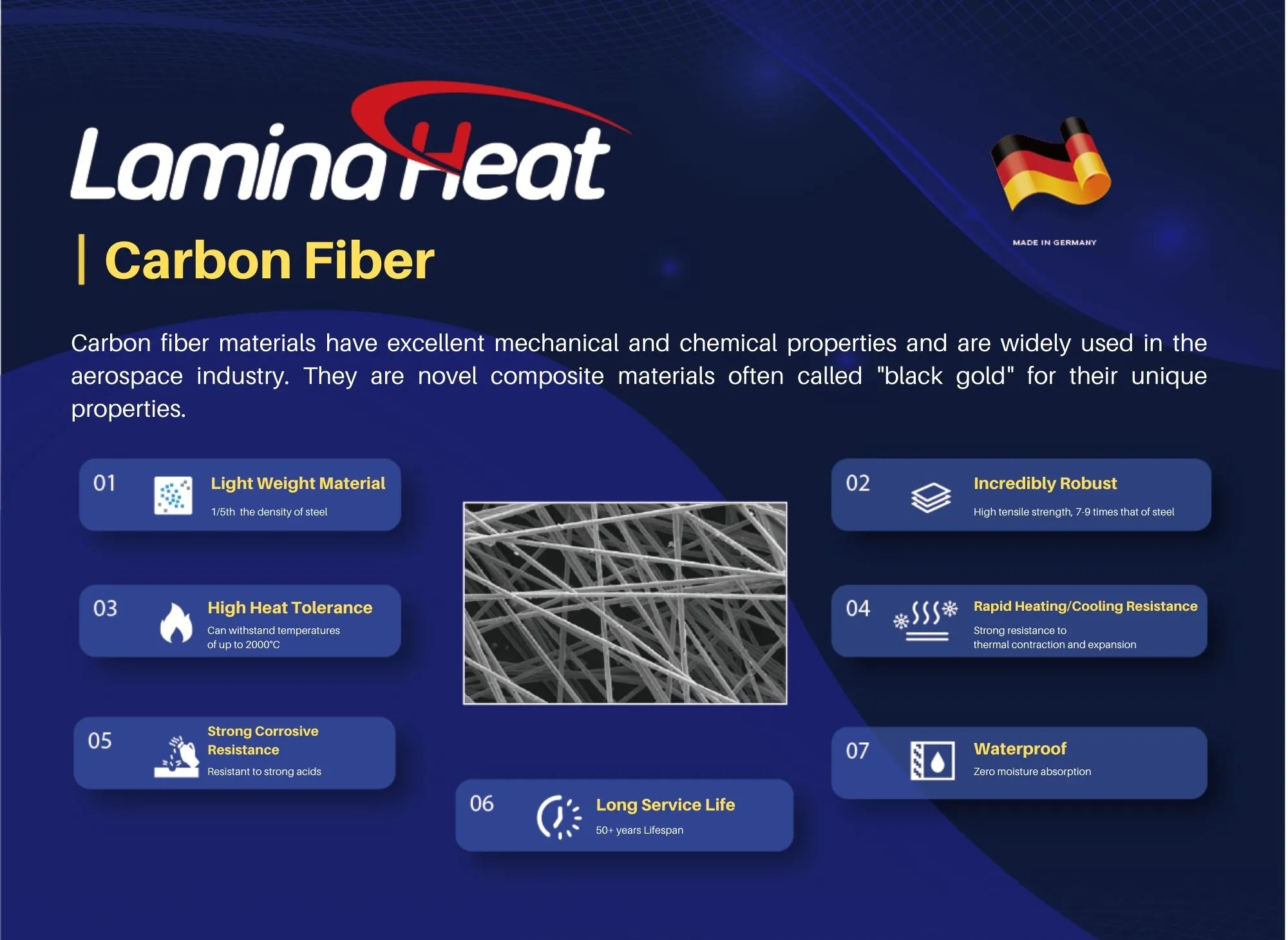
Why use carbon fibre to heat buildings?
Carbon fibre makes a heating element thin, full-surface, drillable, non-combustible and durable for twenty years of use. Why the material decides the product.
Read the article →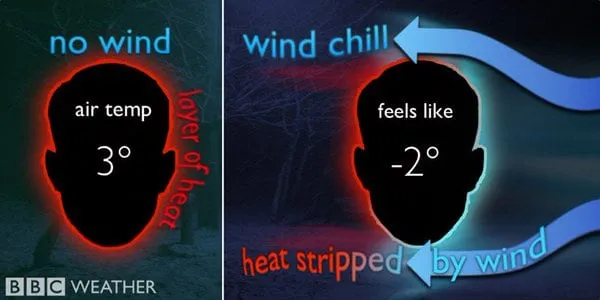
Wind chill, a pleasant breeze, and severe dehydration
Air speed multiplies heat exchange, so the same breeze can comfort you or endanger you depending on the temperature. Why wind chill doesn’t cool the air.
Read the article →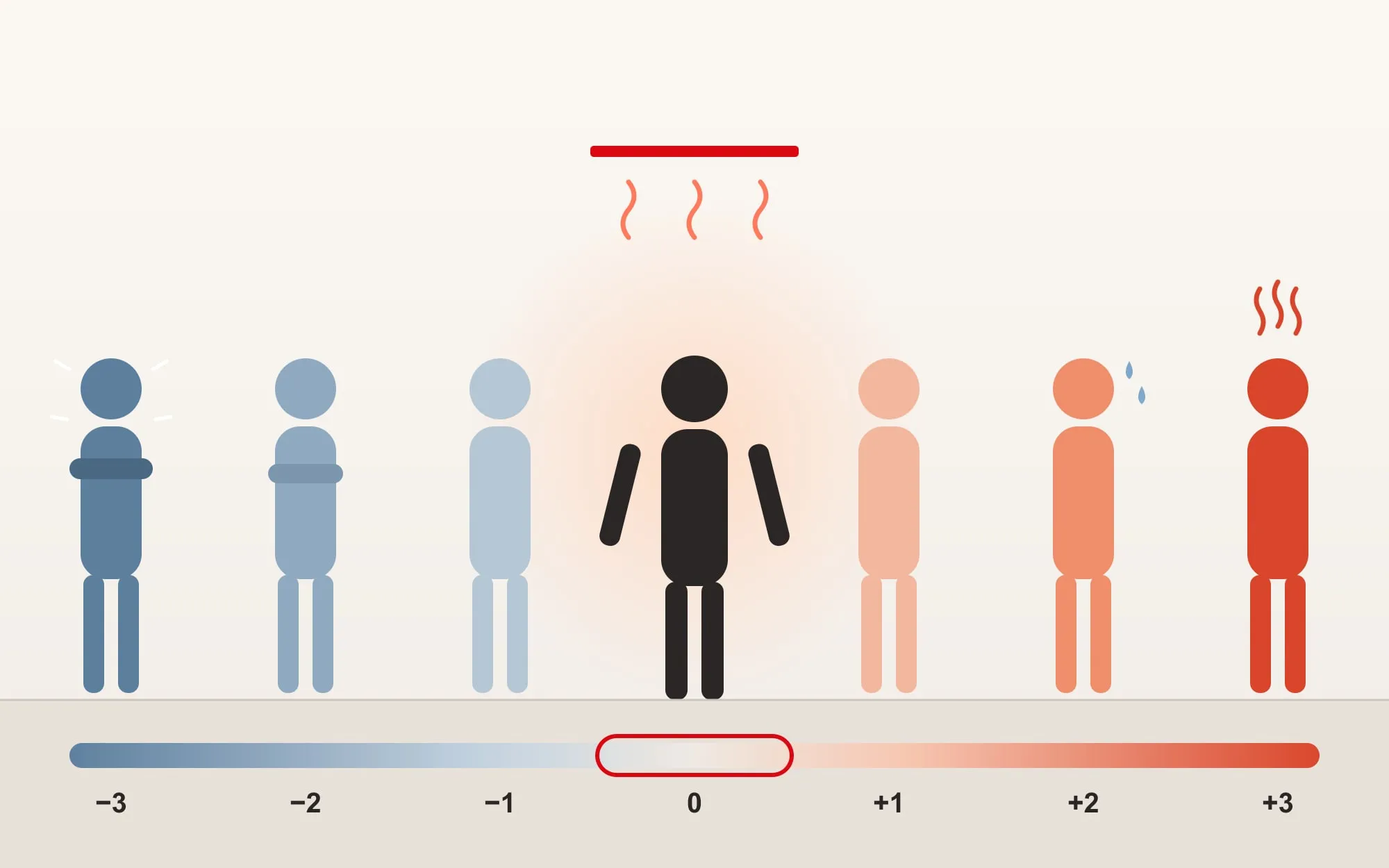
Thermal comfort explained: thermal neutrality, ASHRAE 55 and why radiation matters
Thermal comfort explained: the six factors, the ASHRAE 55 comfort zone, thermal neutrality, clo values, PMV and PPD, and why warm surfaces feel warmer.
Read the article →Send us a floor plan.We will send back a heating system.
Project data, drawings or CAD files in. A room-by-room heat loss, element layout and priced proposal out. No obligation.