
Notes on radiant heating.
Page 3 of 5. 41 articles on how infrared heating works, what it costs to run, and what it is like to live with.
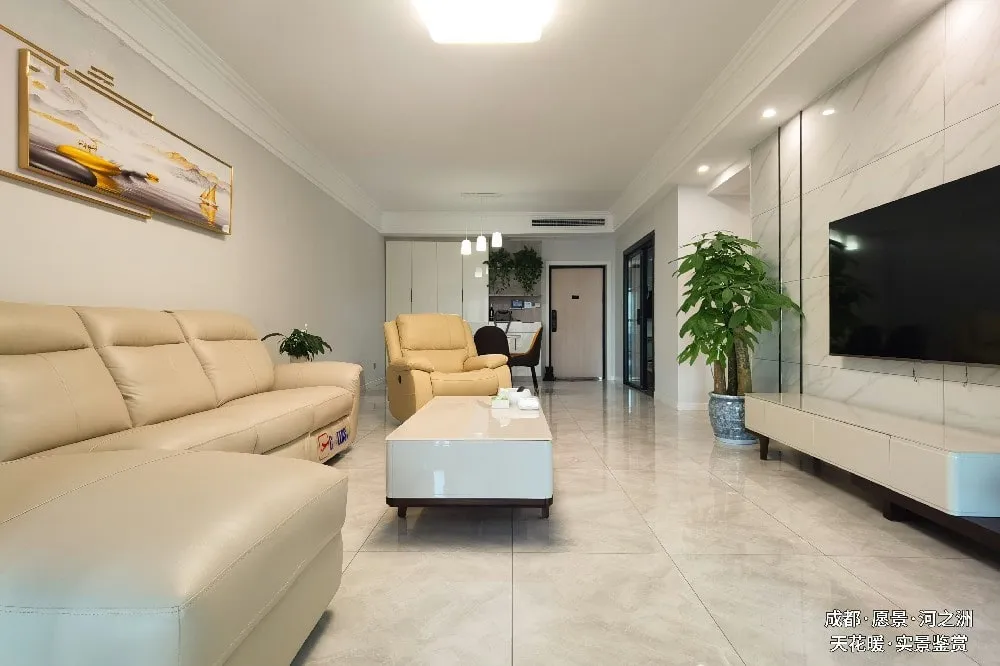
Infrared heating for different room types
Living rooms, bedrooms and bathrooms each need something different from their heating. Which surface to heat and which element to use, room by room.
Read the article →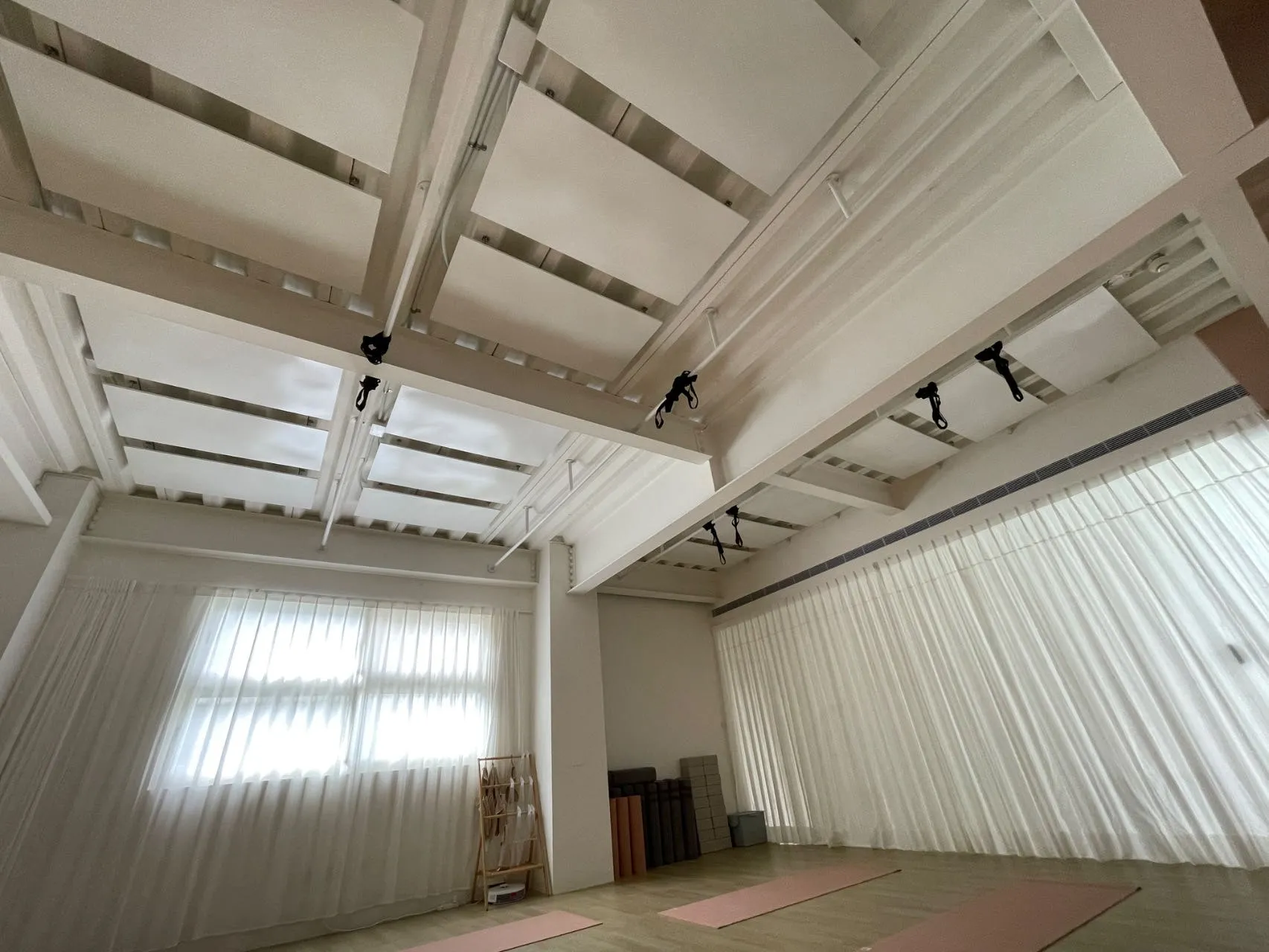
Infrared heating for schools: what estates teams and bursars should know
Infrared heating for schools and nurseries: heat each classroom only while it’s in use, safe surfaces for children, no maintenance, fitted over the summer.
Read the article →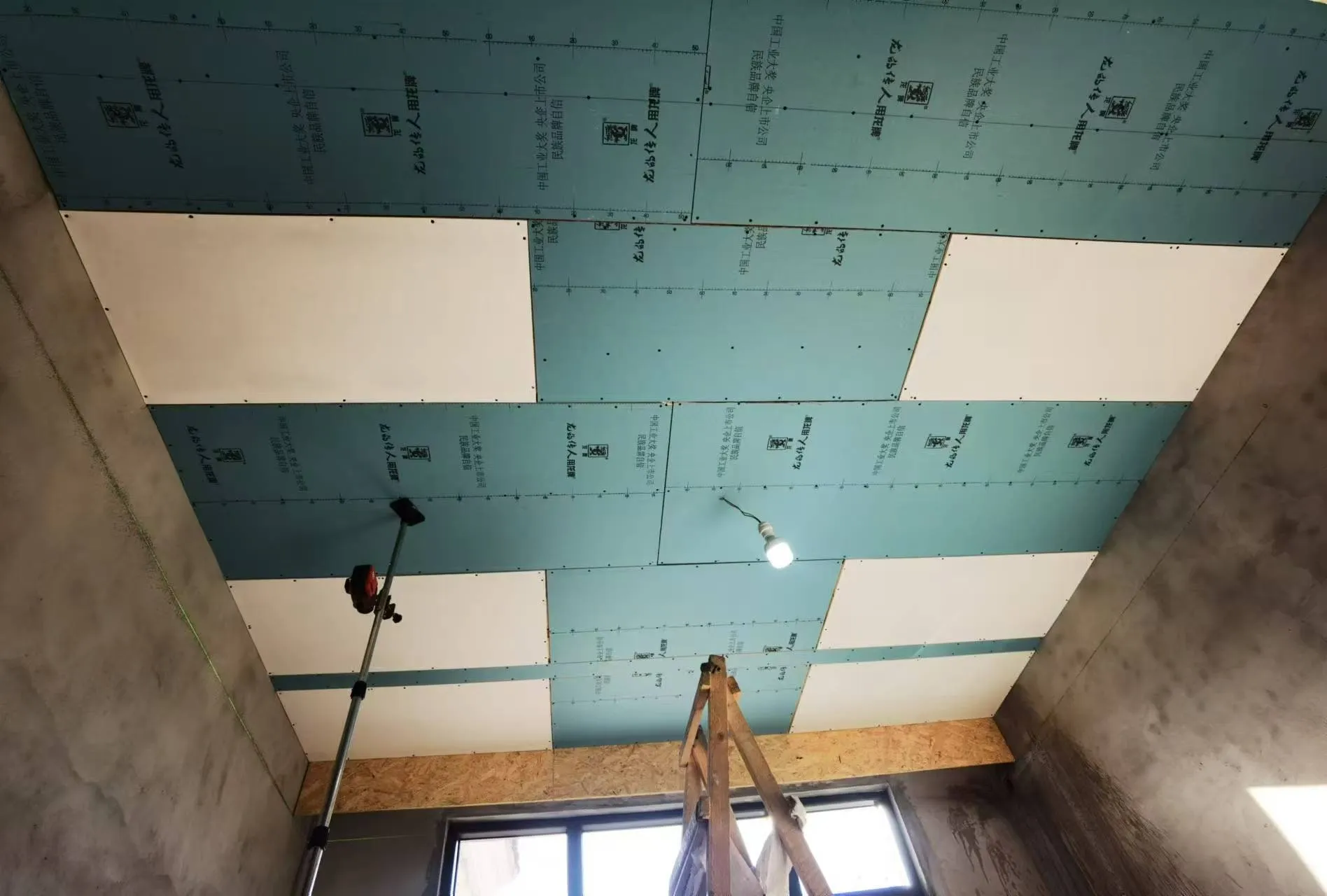
How to calculate coverage for infrared heaters
How to work out how much infrared heating a room needs and how many panels that means: heat load bands, a worked example, and where to place the panels.
Read the article →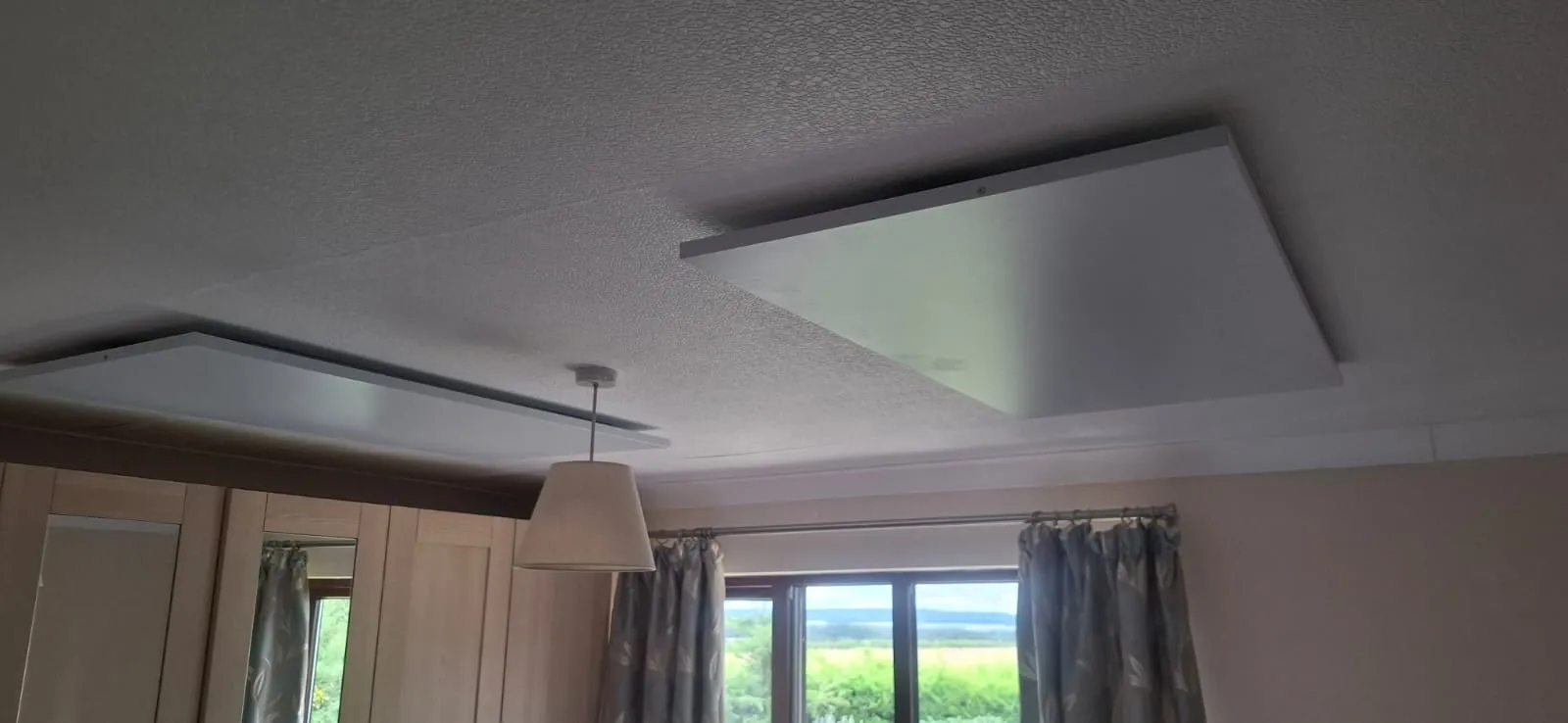
Infrared heating for hospitals and care homes: what estates teams should know
Infrared heating for hospitals, care homes and clinics: no stored water, no fans, no servicing in occupied rooms and safe surface temperatures.
Read the article →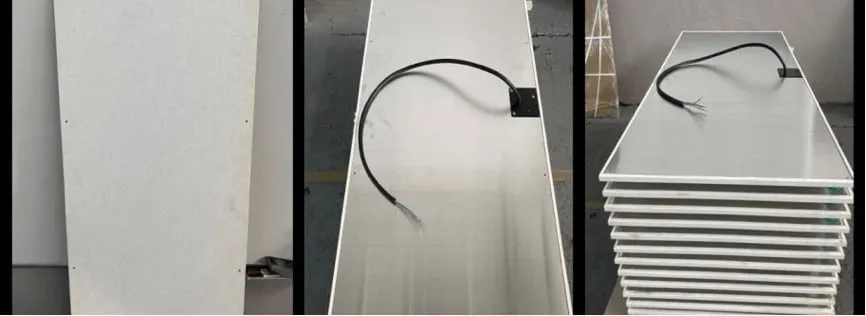
Infrared heating panels: a complete guide
Infrared heating panels explained: the types, how to size and place them, running costs, disadvantages, installation and what to check before you buy.
Read the article →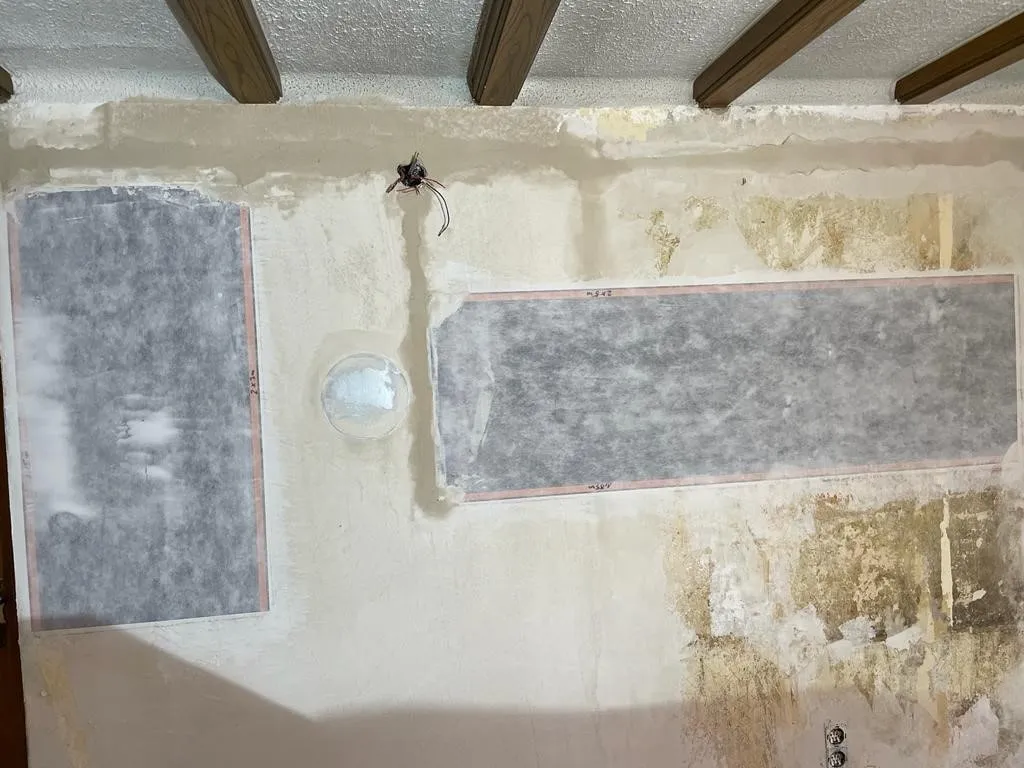
Infrared heaters: pros and cons, honestly
The pros and cons of infrared heaters and heating panels: comfort, cost, disadvantages, where they work and when to choose something else. An honest list.
Read the article →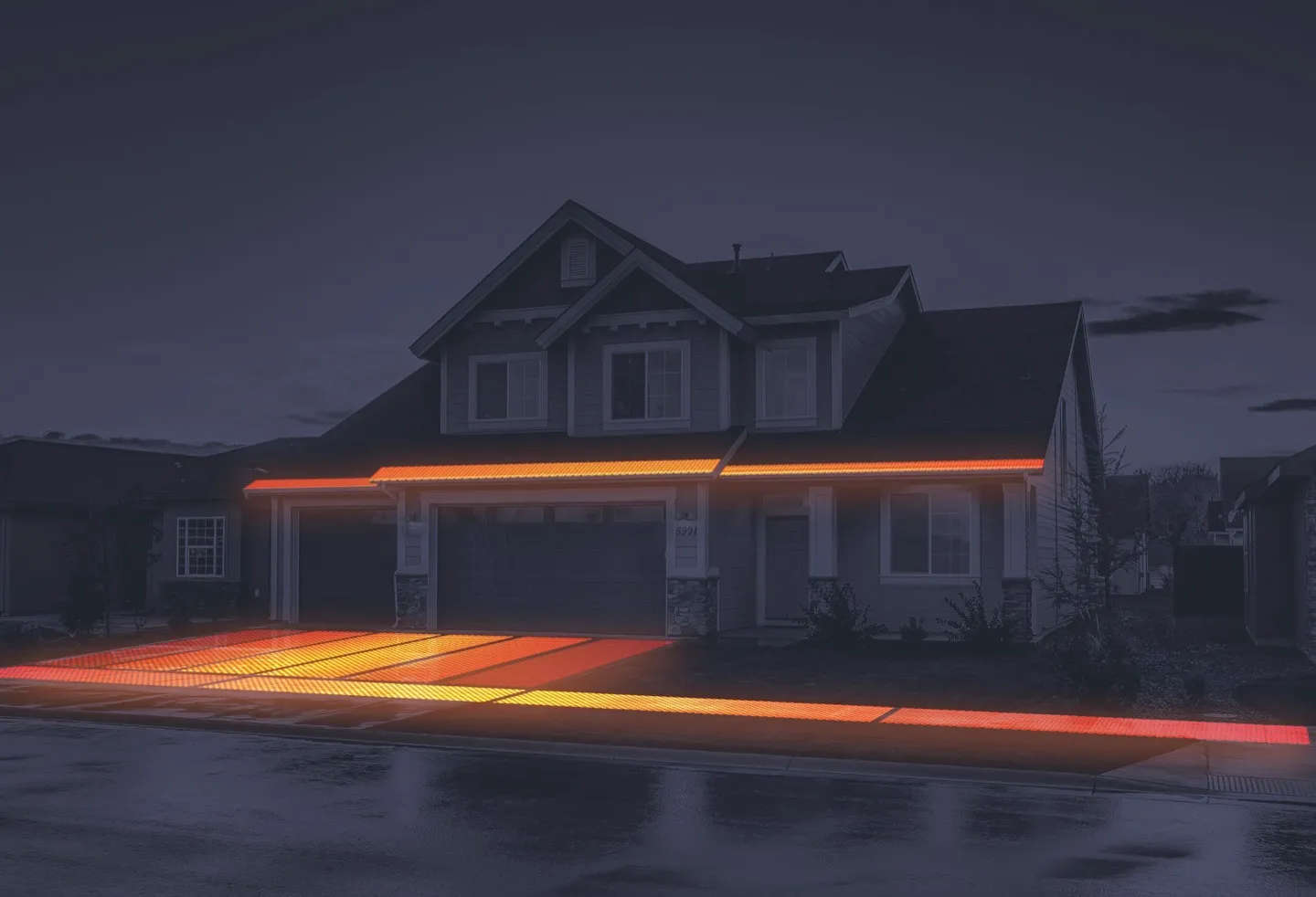
Infrared heating and solar: a better match than most
A low-voltage DC heating element can run straight off solar panels or a battery, no inverter needed. Why infrared and solar pair so well, and how to do it.
Read the article →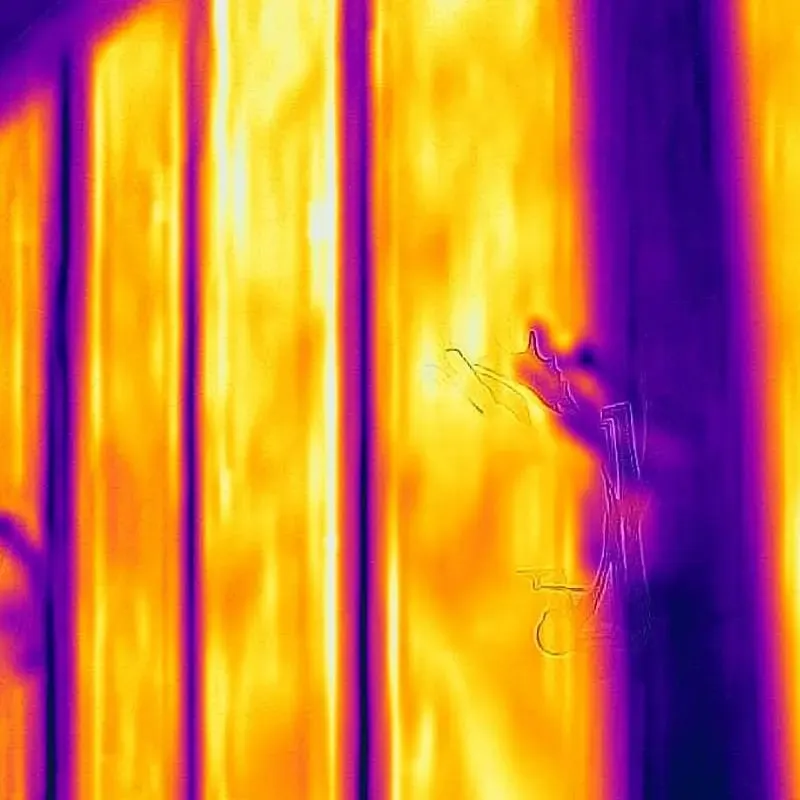
Wall or ceiling heating: which should you choose?
Heated walls store heat and suit tall rooms. Heated ceilings spread heat evenly and free up the walls. How to choose, and what each costs to install and run.
Read the article →PowerBoard vs standard infrared panels: what actually differs
Most infrared panels use a resistive wire and hang on the wall at 90 to 110 °C. PowerBoard uses full-surface carbon fibre in the ceiling. Five differences.
Read the article →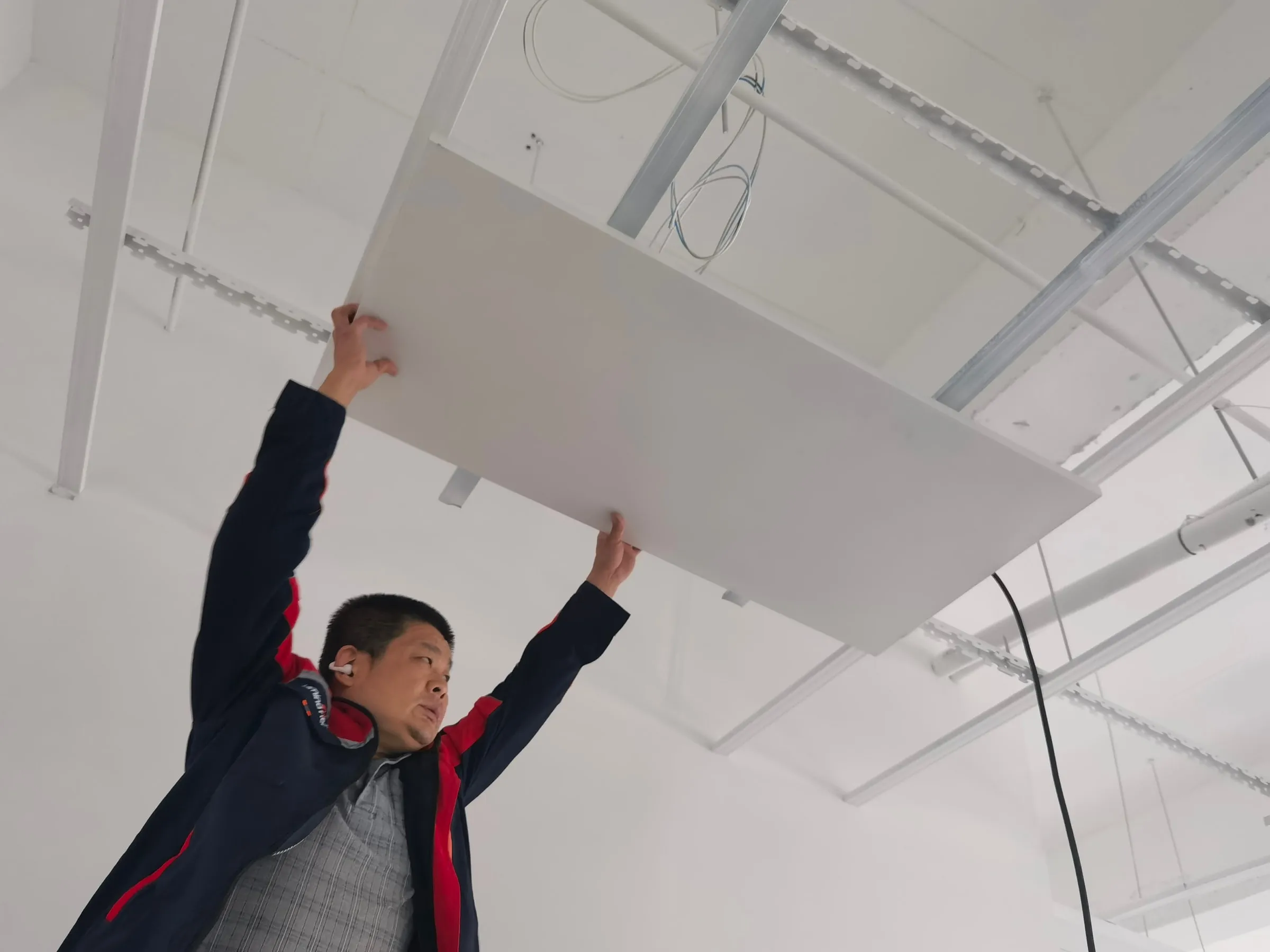
Twelve minutes a board: PowerBoard installation speed
PowerBoard infrared ceiling panels go in at around twelve minutes each, connection included. What that does to a building programme against wet systems.
Read the article →Send us a floor plan.We will send back a heating system.
Project data, drawings or CAD files in. A room-by-room heat loss, element layout and priced proposal out. No obligation.